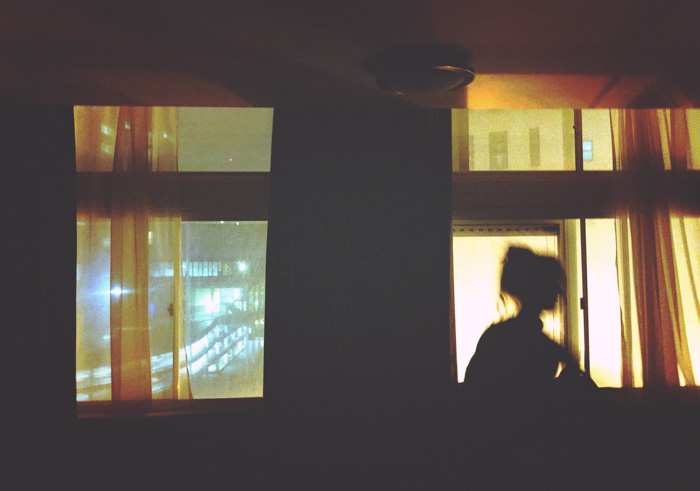
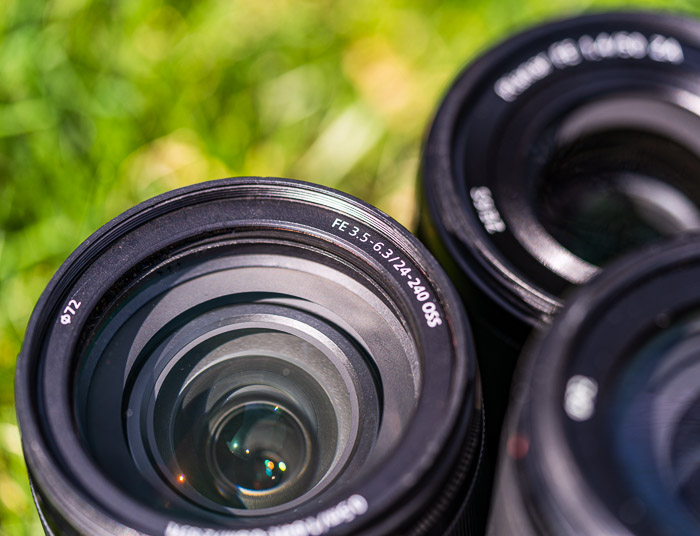
Using a frame within a frame is a great way to lead your viewer’s eyes to a photo. This can add depth and context, as well as draw their attention to the subject.
The technique of using a frame within a frame in a composition is somewhat underused. It can be remarkably effective as a method of drawing attention to a particular focal point in an image.
So, how do you frame within a frame in your shots? Keep reading to find out!
What Is Frame Within A Frame (Foreground Framing)?
Foreground frames are the simplest way of using a frame within a frame in a photo. A photo of a scene with a foreground feature makes for a much more interesting buildup to the subject. In some cases, it can even carry equal weight to the rest of the photo.
Here is one of our many composition tips—choose a part of your scene to be the subject. Then, find a shape within the photo in the foreground that will ‘”hold” it. Below is a simple demonstration of this.

What Is Background Framing?
Foreground framing is an easy method of using a frame within a frame. However, there are other subtler, more imaginative ways to make this happen. One such technique is background framing.
The most important thing is what I always suggest—think before you shoot.
Have a good look around at what you can and can’t use. Decide how you want to compose your shot. The more you do this, the faster you’ll be and the better your shots will come out.
Below is an example of using a building that forms part of the background. Framing from the background reinforces the subject and leads the eyes in an obvious order.

Leading The Eye
Using a frame within a frame is a great composition tool to lead the eye in a particular direction or toward the subject.
In the image below, the lines along the top left and bottom right corners encourage the viewer to look toward the center of the image. The eye is drawn towards the center of the image before moving outwards.
It isn’t only full frames that do the trick, though. Half frames can be just as effective if done right.

Adding Depth
One of the best reasons to use a frame within a frame is to provide depth. This can be encouraged and accentuated by the use of a shallow depth of field.
Another method to reinforce a sense of depth is by using multiple frames within a photo. You can see this clearly in the image below.
It's easy to create depth in a photo by using two or more objects (like the door frame below). In addition to the stone ring, the trees along the pathway also serve as a natural, less obvious way of photography framing.
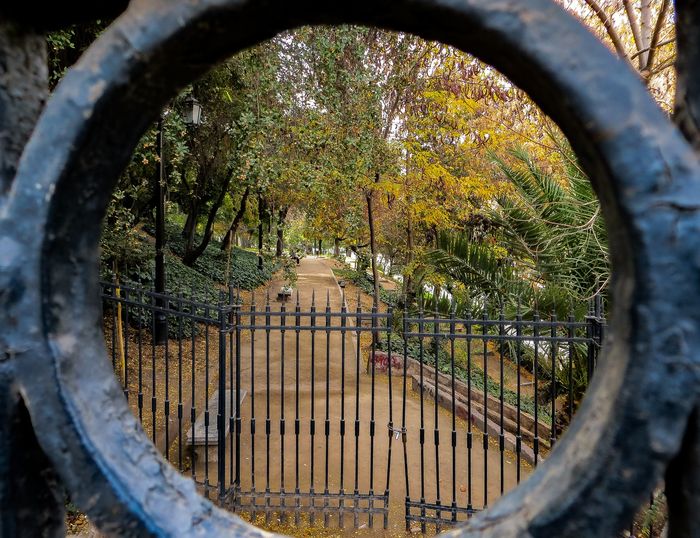
Paths
So you’ve worked out how to lead the eye using framing in photography and understand a frame’s effect on depth.
It’s now easy to create a path for your eye to be led down, as shown in the image below.
The repeating frames within the frame start to diminish the farther away they get. This is one great way of drawing your eye to a single point.
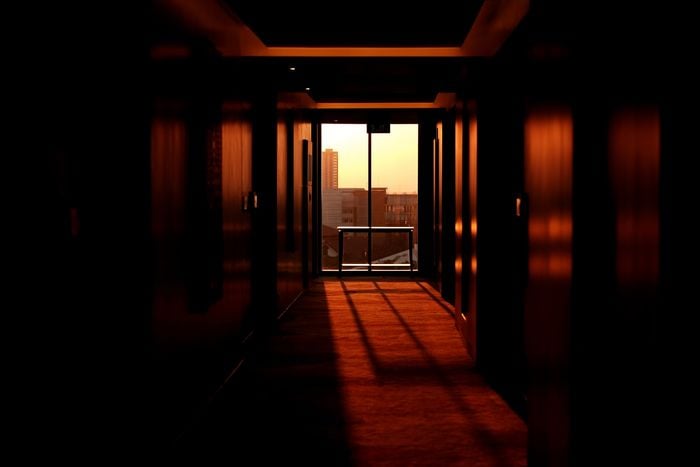
Finding the Perfect Exposure
From our post on metering modes, you’ll understand how a camera looks at a scene. If it sees a single bright point in the center, it’s likely to try and expose for that. So, when you use the frame within a frame technique, the frame can be underexposed.
This can have its creative uses but be careful if it’s not the look you’re trying to achieve.
There’s a distinct difference between the overexposed and underexposed areas of the photo. There’s very little that you can do without going into complicated Photoshop techniques.
So, put your camera into manual mode and find an exposure that you’re comfortable with.

Making the Frame an Equal Part of the Photo
If the frame is particularly interesting, don’t neglect it. Use it!
I found this rundown old building in Greece. The window frame was so full of character that I considered it just as important to the composition as the view through it.
This provides the photo with a sense of location and interest, rather than just a scenic view. It leads the viewer’s eyes to look through the frame of the window, something people are used to doing.

Conclusion
Adding a frame within a frame is an easy way to add depth and interest to your image.
Framing photography is a great composition technique as you can use it to guide the viewer’s eye to the subject. If you practice enough, you will soon see frames everywhere!