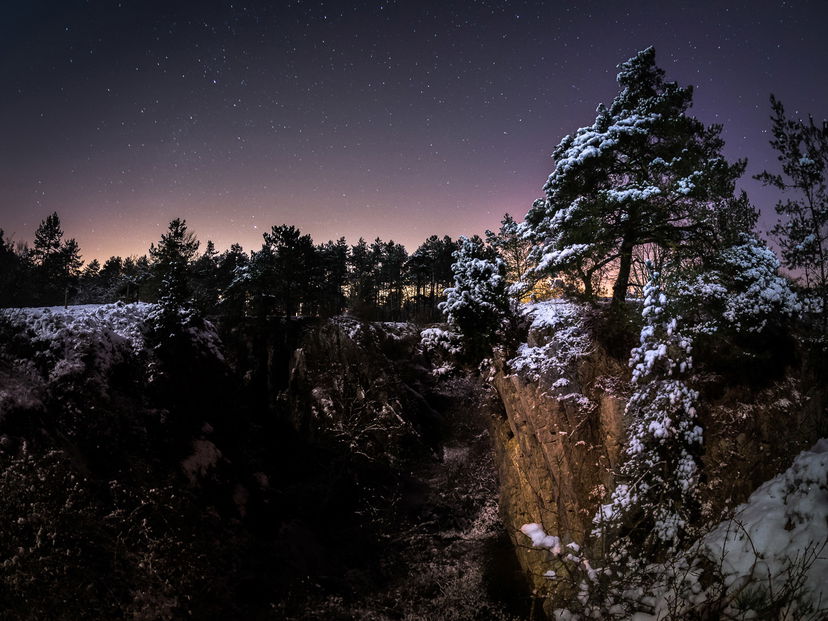
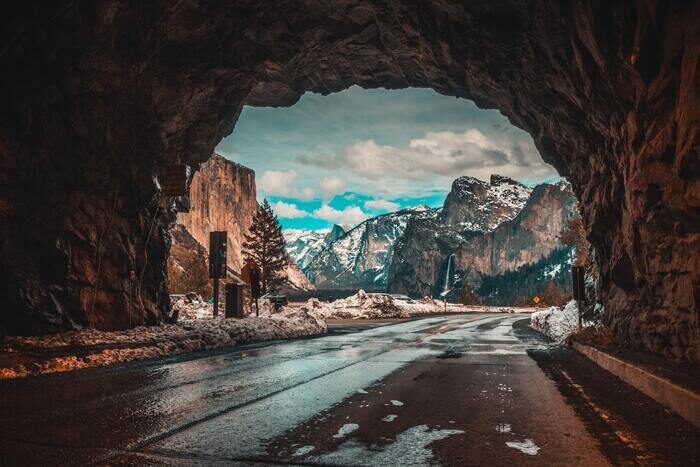
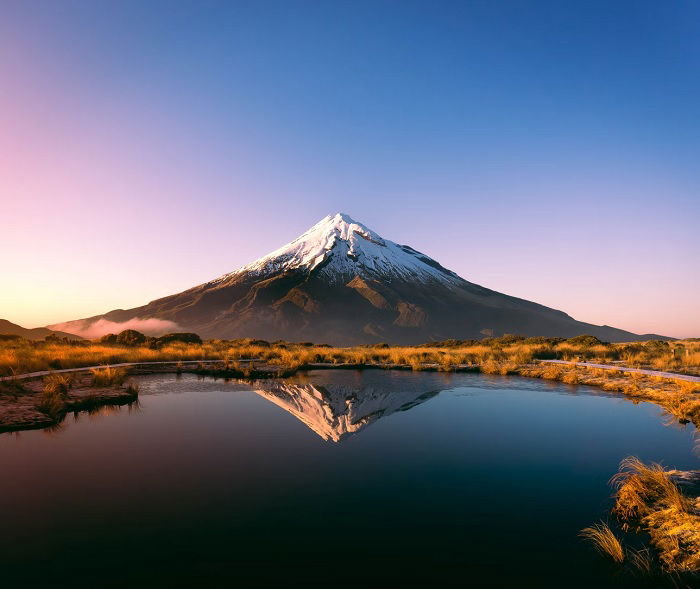
Dramatic landscape photography can be breathtakingly beautiful. Capturing the power and beauty of nature in a photograph is an art form that can be incredibly rewarding. But it takes skill and knowledge to create truly stunning photos.
Here are our 11 tips to help you take your landscape photography to the next level.
The list of our top tips below will help you take your dramatic landscape photography to the next level!
The idea that you can just show up at any time of the day and get the best photo isn’t exactly the case. Those who want to be successful in photography know that their day is going to revolve around photography.
That might mean going to bed early to wake up for sunrise. Or rescheduling your evening meal for the sunset. These are the things you might have to do to get the best landscape photos.
So what are the best times of day to take photos? Every location is different, of course, but these are the most common times of day to shoot.
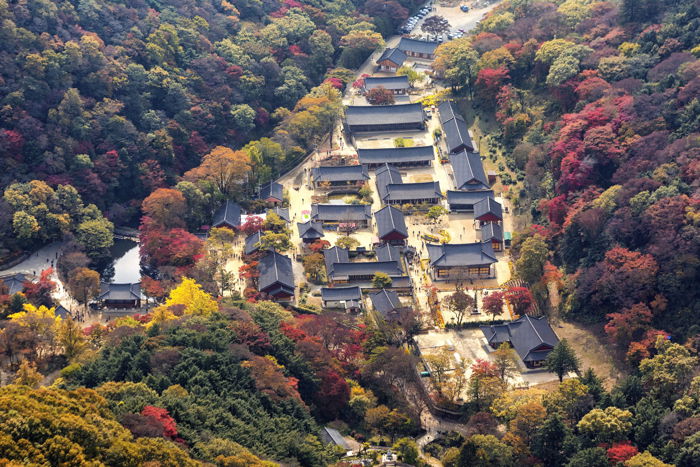
Getting to a location at the right time of year can really help. This photo benefits a lot from the autumn colors. It would also look great with snow.
There is nothing worse than getting to a location at the wrong time of year. There are landscapes that come alive with the seasons. Think of the transformative effect all those autumn leaves could have on a place.
There are other seasonal shifts that you should be aware of. Below is a list of these that you should keep in mind.
Use the internet to research these seasonal shifts. If possible, look for the date a previous photo was taken so you can aim to get the same conditions.
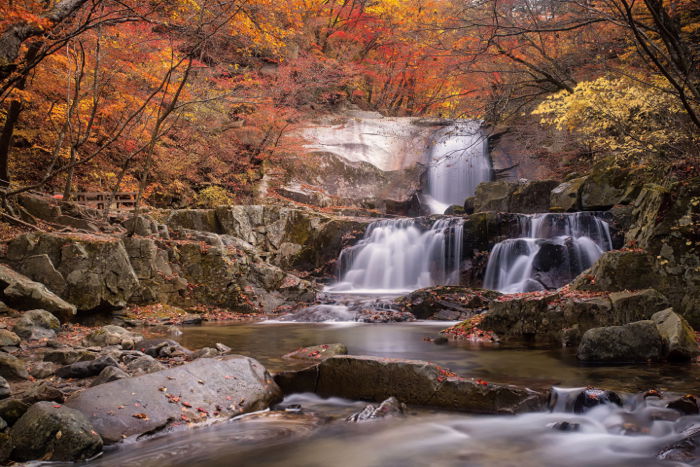
Any kind of long exposure, which can be common for landscapes, needs a tripod.
If you’re taking landscape photography seriously, you’ll always want to keep a tripod with you. A tripod is a fantastic investment for almost any photographer. But landscape photography practically requires one.
Having a tripod for landscape photography is important for many reasons.
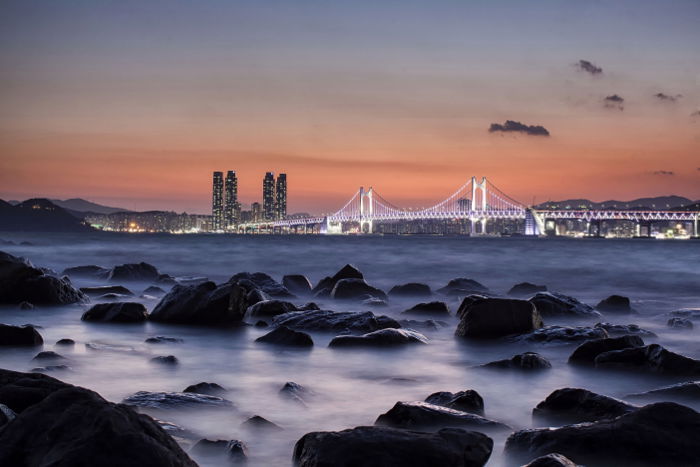
The bridge acts as the main subject of the image.
One of the most important things you can do is include a main subject in your photo. A main subject will ground your landscape photo and tell a narrative.
You still need to look for good composition when placing the main subject within your scene. Things like following the rule of thirds and leading lines can emphasize your main subject.
The following are examples of good main subjects in a landscape photo.
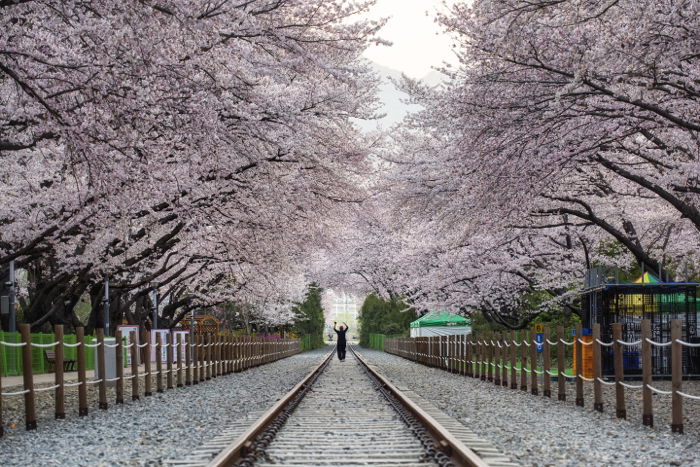
This photo has strong leading lines leading up to the main subject, a person walking along the tracks.
If you’re not patient when taking a landscape photo, it’s easy to get the horizon line wrong. Landscape photographers will use a wide-angle lens.
With these lenses, it’s even easier to get the horizon line wrong. There are several methods available to you that can fix this problem, though.
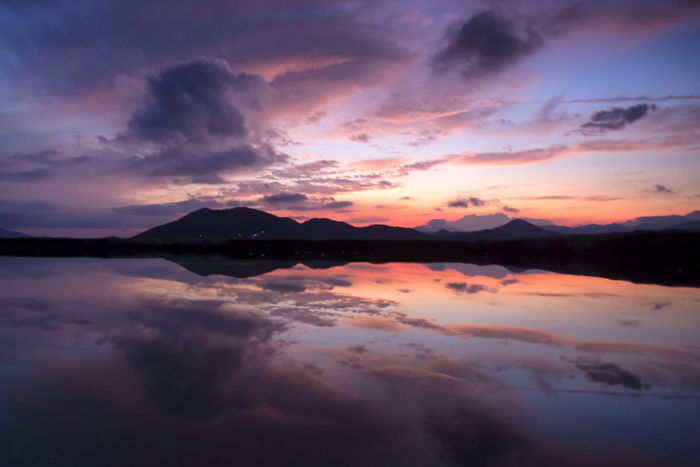
The reflection and a straight horizon line form the interest in this photo. It was taken the day ahead of a typhoon, and this led to an interesting sky.
You can plan everything ahead of time. But one thing that’s more difficult to plan is the weather on the day of the shoot. You’ll need some luck when it comes to this. If you have several days available to visit a location, you can plan to visit when the weather is at its best.
Look to check your local online or through an app for landscape photography. Some of these services offer up-to-the-minute satellite imagery, giving you the location of clouds, rain, and thunderstorms.
You can use this to decide whether visiting a place is a good idea on any given day. Another local condition that you will need to think about if you’re a coastal photographer is the tide. You can plan this ahead of time by checking a local tide timetable.
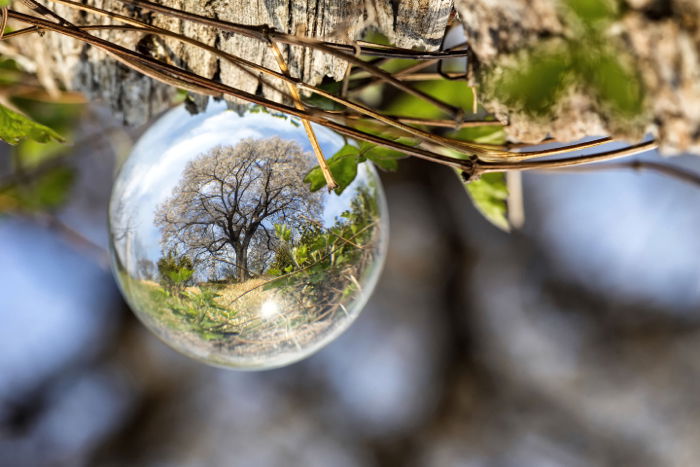
Using different techniques for landscape photography is a great way of producing unique results.
There is often a great angle or viewpoint that every photographer visits. There’s no reason you shouldn’t also take photos from this position. But it won’t get you the most creative results.
Instead, visit a famous landmark. Study it for other potential angles or ways you can take a photo to make it more unique.
It may not take much to get something different from other photographers, so try out these ideas.
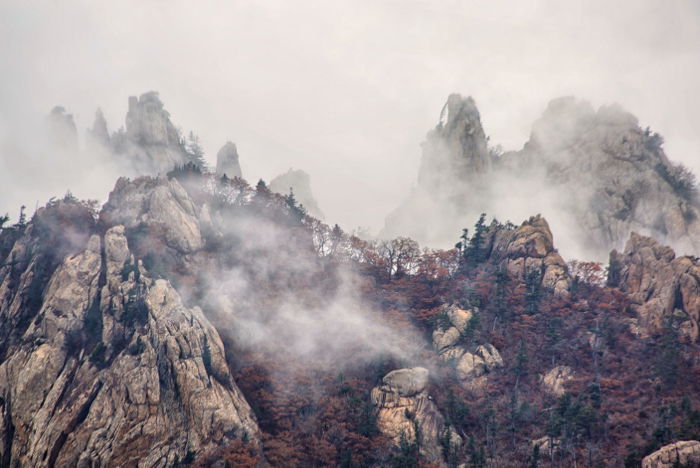
This mountain range was a place I revisited. On this occasion there was beautiful mist drift across the peaks.
When a location is on the other side of the world, it’s difficult to revisit it. But that’s not the case when it comes to your own neighborhood, where you can and should revisit.
Your photography will evolve with time. You’ll pick up different equipment and learn new ways to process images.
When you return to a previous location, you’ll also know the go-to spots already. You can reuse those or find somewhere new, knowing you have a backup location if the new one doesn’t work.
Photographing from the same location is also a great way to measure your improvement as a photographer.
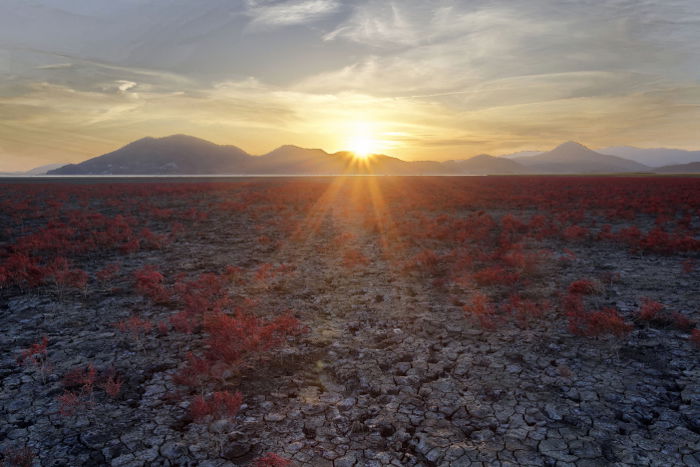
The salt marsh plants are seasonal and may not have been there on another visit.
There are many things you can plan ahead for in photography. But a spontaneous moment can give your photography the special element that elevates it.
When something catches your eye, there is a reason. And you need to be in that moment to capture it. Stop the car or take a pause on your hike and take the time to unpack your camera. You don’t know if you’ll get the chance to retake this shot.
So what are these transient moments that you need to take advantage of?
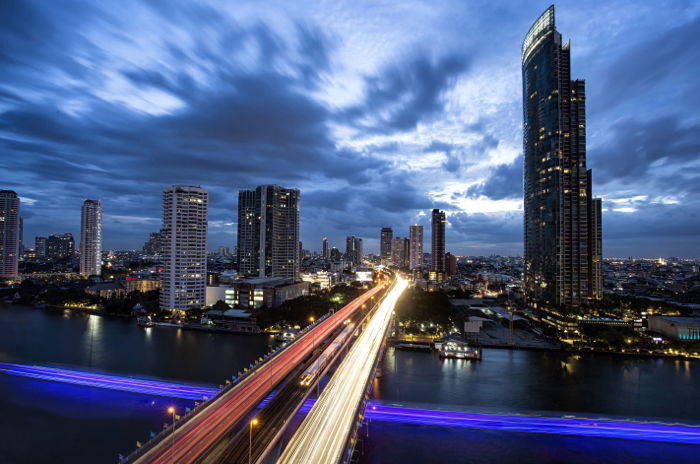
This photo uses digital blending to balance light across the frame. The light trail from the boat needed several images to complete the trail, with layer masking used to add sections of the boat’s light trail across the entire frame.
The idea that you can get the best photos straight out of the camera is false. You should aim to get the best result you can before needing to use further post-processing. But all photos will benefit from editing them.
In landscape photography, there are a few steps that you should follow to get the best results.
Learning to use the correct camera settings on your camera is very important.
Many cameras have the default landscape mode. As a new photographer, this might seem the logical setting to use when it comes to landscape photography. But you’re handing over control of the photograph to your camera.
You want to be in control of your camera, not the other way around.
The best way to improve your landscape photography is to bring the right equipment. This means a tripod, a wide-angle lens, and a high-quality camera body.
You also need to have thoroughly done your research on the location. Look at seasonal conditions and weather conditions for the day you want to shoot.
You’re looking for a strong composition. Use leading lines, reflections, or the rule of thirds to achieve this.
Including a main subject in your frame will improve your image by creating a narrative.
The best way to photograph dramatic landscapes is to visit dramatic locations. Look for areas with a volcanic past or even one that is currently volcanic.
The most dramatic landscapes are shot where the earth is most active. Another option might be the coastline, where coastal erosion can create interesting features.
Nature photography is a slightly different field to landscape. But there is a lot of crossover. To get the best nature photography, you need to know the season, the weather, and even wild animal behavior or migration patterns.
Once you have all this knowledge, you’ll be able to visit the location at the best time. Be patient, but at the same time, prepare for that spontaneous moment of capture.
Lots of people take landscape photos. But knowing a few tips and tricks will help you make photos that stand out from the crowd.
Sometimes you need to meticulously pre-plan everything. Other times a spontaneous shoot will give you the best landscape photos.