Blog posts are fast, free, and written to rank in search results, not to actually teach you photography. A good photography book gets 200-plus pages from one photographer to explain how they think, and most of the techniques you use today were worked out by people writing books long before anyone had a blog.
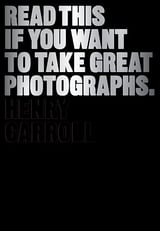
Below are 35 photography books, sorted by what you’re trying to learn: basics, composition, lighting, niche genres, inspiration, and editing. Start with the section that matches what’s actually holding you back. If you only buy one book from this list, make it Read This If You Want to Take Great Photographs: Henry Carroll breaks down 50 iconic photographs into the single decision that made each one work, which teaches you to see a scene before you touch a single setting.
Our Top 3 Choices for The Best Photography Books
Finding the Best Photography Books
Jump straight to the section you need:
- Photography basics
- Composition and technique
- Photography lighting
- Niche photography books
- Collections and compilations
- Editing photography books
If you would rather not read six sections to find one book, three of them cover most people. Buy Read This If You Want to Take Great Photographs if your photos are technically fine and still boring. Buy Understanding Exposure if you shoot in auto and want out of it. Buy The Photographer’s Eye Remastered if you can already work the camera and want a framework for composition. Everything else here is a deeper version of one of those three, a specialist book for a single genre, or a collection you look at instead of working through.
Best Books on Photography Basics
Learning how to take amazing pictures requires a strong foundation of the basics. If you struggle with these areas, read publications on the basics of photography. I assure you that you’ll learn much faster.
Our list of how-to books on photography ensures you learn exactly how to use your gear. It includes how to use camera settings and technical knowledge properly.
Here’s a quick look at the best books on photography basics. We’ll take a more detailed look at each book in the section after.
- One of the most popular photography guide books
- Specific chapters on portrait, sports, and wedding photography
- A helpful book if you're looking to make money in photography


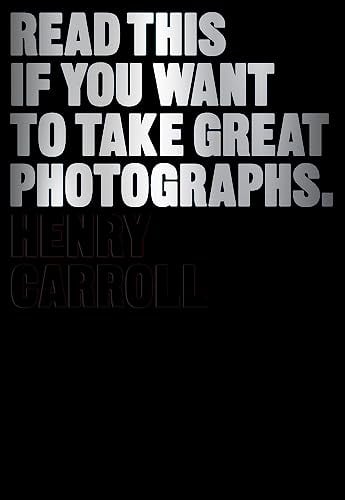
Are you looking for the best photography how-to books for beginners? Read This If You Want to Take Great Photographs is worth checking out. It has practical guides, easy-to-read text, and simple, playful language. It’s easy for a beginner to follow!
This book offers an excellent foundation for improving as a photographer. It puts beginners on the fast track to better photography results. And even experienced photographers will find useful information.
The book’s title might be in-your-face, but it’s not wrong. It also includes tips from 50 famous photographers!
At 128 pages it is deliberately thin. There are no menu walkthroughs, no exposure tables, and nothing on editing. Buy it to learn what to look for, and buy one of the manuals below for everything else.
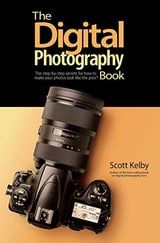
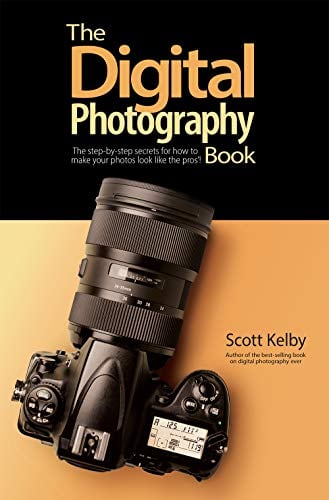
The Digital Photography Book is the number-one, best-selling digital photography book. It has been translated into dozens of languages. And it remains one of the most comprehensive photography books available.
This book contains everything you need to get into photography. There are chapters on portrait photography. You can learn how to use a flash for pro results. It even gives you a head start on wedding and sports photography.
Scott Kelby’s award-winning book is a great companion. You will take it from your shelf again and again to reread it. It’s essential reading for anyone serious about picking up a digital camera.
Kelby writes in single-page tips with almost no theory behind them: do this, then do this. If you want to understand why a setting works rather than which one to reach for, Barnbaum and Langford further down this section will serve you better.
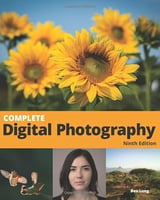
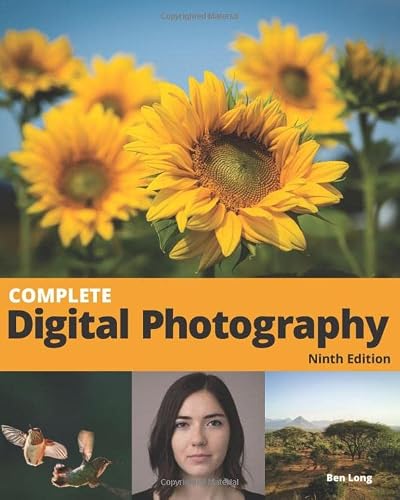
If you like to explore the fine details of the craft, then Complete Digital Photography is for you. Written by photographer Ben Long, it teaches you all the basics of photography. It has everything from the mechanics of a camera to post-processing.
It covers both the technical aspects and the art of taking photos. With the level of detail and the number of topics this book covers, you won’t even need Google!
Ben Long’s book gives beginners a thorough introduction to digital photography. But it’s such a rich resource, so all digital photographers should take a look. There’s so much to learn in these pages.
The ninth edition is from 2019 and no tenth has followed, so the camera chapters predate the current generation of bodies and the editing chapters predate every AI tool now built into Lightroom and Photoshop. The fundamentals are unaffected. Don’t buy it as a guide to gear you are shopping for today.
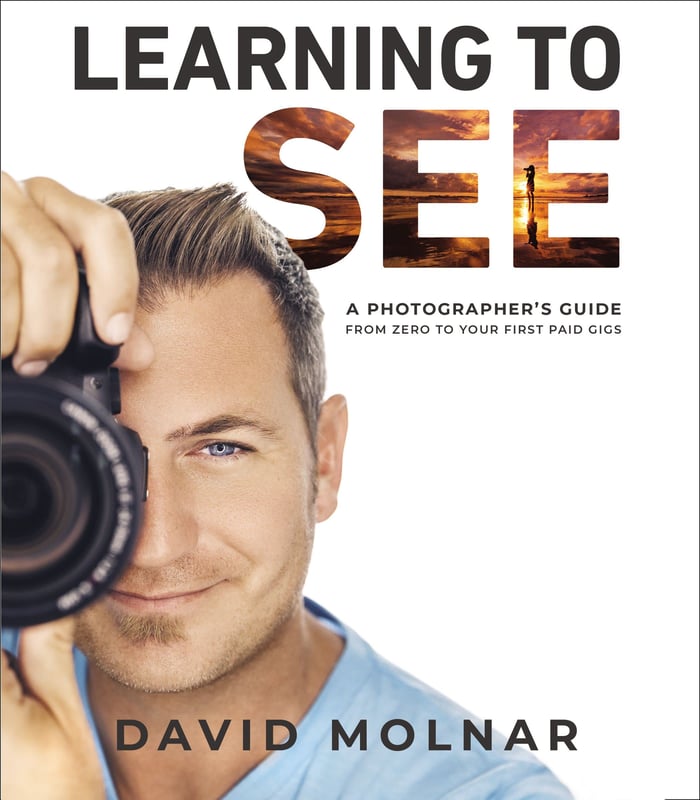
Learning to See is for you if you want insider information from a seasoned professional. David Molnar is a professional at the top of the photography industry. His client list includes Pepsi, Sony, and Google. His photos have appeared in People Magazine and the New York Times.
Molnar takes you through the basics of photography. You learn how to use your camera and a range of photography techniques. But it’s all geared around making photography a career. It’s serious stuff. But it’s easy to follow and understandable for photographers at any level.
Buying this book is an investment in your photography career. Expert advice doesn’t get much more expert than this.
It is aimed squarely at turning professional, so a good share of the pages go to pricing, finding clients, and landing the first paid job. If you shoot for yourself and have no intention of selling anything, that half of the book solves a problem you don’t have.
5. Langford's Basic Photography
| Subtitle |
Subtitle
The Guide for Serious Photographers (11th Edition)
|
| Author(s) |
Author(s)
Michael Langford, Andrew Bruce, Anna Fox, Richard Sawdon Smith
|
| Number of Pages |
Number of Pages
600
|
| Best For |
Best For
Beginners and anyone looking to advance their skills
|
Langford’s Basic Photography is for people who want to pursue photography as a career. Some might find it academic. But it’s one of the most comprehensive photography books for beginners.
This publication is valuable because it helps you choose the best camera and lens for your work. It even offers useful suggestions about the equipment you need for great lighting. Of course, it teaches you skills such as framing and measuring exposure.
Apart from the technical aspects, it also teaches you how to edit and organize your images, print, finish, and present them. The eleventh edition, revised by Andrew Bruce, Anna Fox, and Richard Sawdon Smith, updates the camera and lighting chapters and adds one on digital output.
This is a 600-page university textbook, priced like one. If you want something you can read in a week, or you already shoot confidently and only need to fill a gap or two, this is far more book than you need.
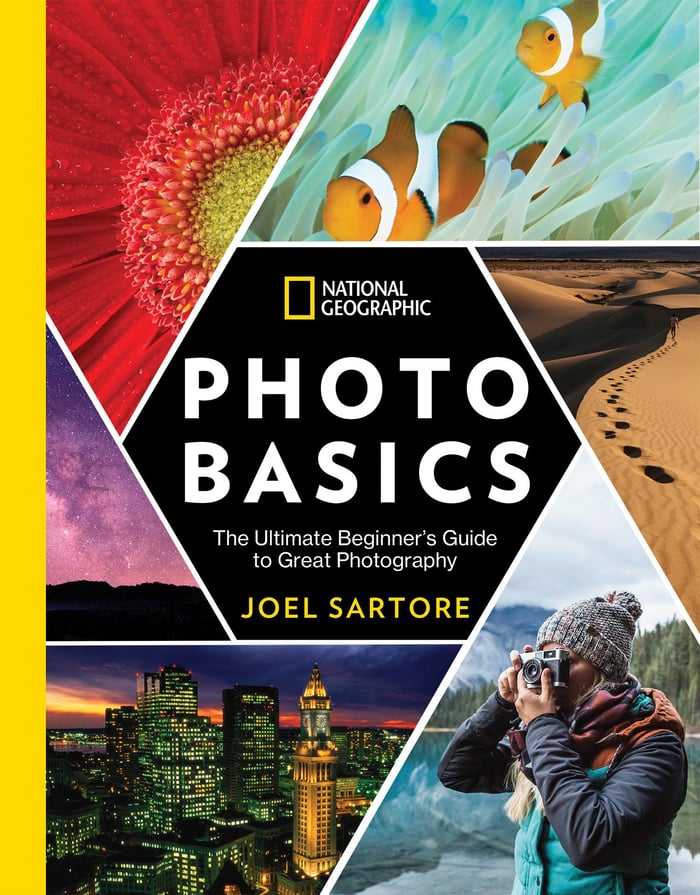
National Geographic magazine has been a source of inspiration for photographers for decades. Flip through the pages of any edition, and you’ll be itching to pick up your camera. But if you’re a beginner, you might not know how to achieve the best results.
National Geographic Photo Basics inspires with its stunning photographs. It teaches you photography basics so you can create images that are just as breathtaking. You don’t even need a camera to read this book. The early chapters help you choose a camera that’s right for you.
They then take you through the early stages of photography. It’s a fast track to competency with your camera. And it puts you on a path to creating glorious images like those in the book.
This one is for true beginners. If you’ve already picked a camera and shot a few thousand frames, the early chapters will feel redundant. It’s the right book to hand someone who hasn’t bought a camera yet, not someone stuck on a specific technique.
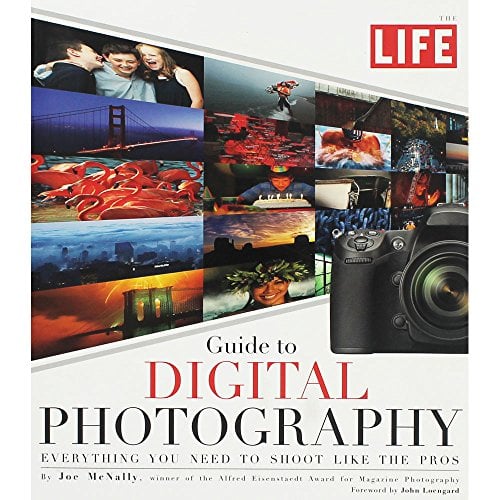
Learn from one of the best photo books about photography on the market. The subtitle of the LIFE Guide to Digital Photography: Everything You Need to Shoot Like the Pros, pretty much sums it up.
Joe explains how to take advantage of your camera’s strengths. He also helps you understand when it is wise to outthink your camera and push it to its limits.
What I found useful was the short caption under each photo. It shows you the camera settings it took to create each image. Knowing which settings he uses to recreate breathtaking photos is always beneficial.
The book came out in 2010 and the gear advice shows it. Any section about choosing a camera is two sensor generations behind anything on sale. The captions are the part that doesn’t date, so use it as a set of worked examples and buy your gear advice elsewhere.
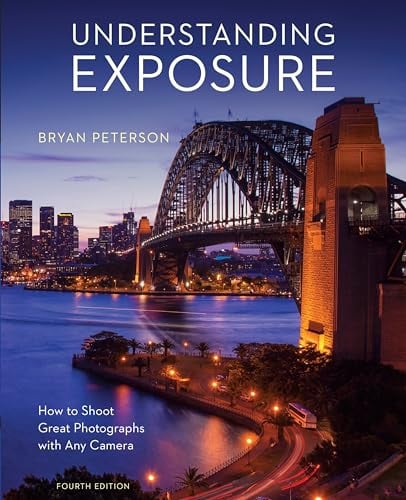
With more than 350,000 copies sold, Understanding Exposure 4th Edition is one of the most popular books in photography. It demystifies the complex concepts of exposure for countless photographers.
This photography book maintains Bryan Peterson’s trademark easy-to-understand style. Its best section includes how to achieve successful exposures in challenging situations. This photography book also provides information about white balance, flash, and HDR photography.
Sure, these topics may seem a bit advanced. But Peterson makes it all easy to understand. You can always take this with you for better photos anytime, anywhere, and with any camera.
One subject, covered thoroughly, and nothing else. There is no composition, no lighting setup, and no editing in its 176 pages. If you already shoot in manual without thinking about it, you will read it in an afternoon and learn very little.
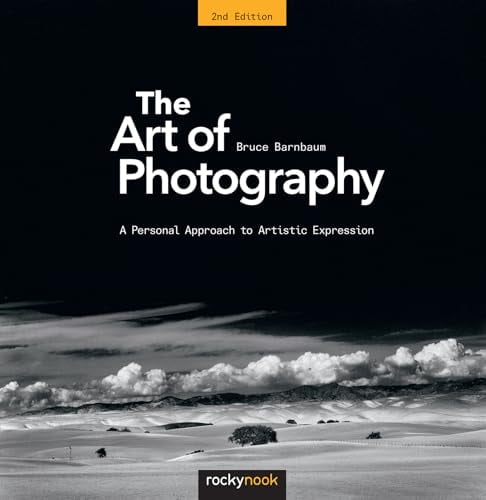
Bruce Barnbaum’s The Art of Photography was originally published in 1994 and was first revised in 2010. The 2017 edition has dedicated chapters on digital photography.
It represents and explores the more artistic and conceptual sides of photography. And it helps you develop your artistic voice as a photographer. It features 200 color and black-and-white photos accompanied by easily readable text.
Anyone interested in the visual arts should read this book. It is beneficial to graphic designers, cinematographers, and even painters.
It’s dense. Barnbaum writes for photographers who already know their camera and want to go deeper into the “why” of composition and printing, not for someone picking up a DSLR for the first time. Hand it to a beginner and they’ll likely put it down; hand it to someone three years in and stuck creatively, and it’ll click.
Marien’s Photography is a fascinating account of how photography has altered our perception of the world. She shows us history through the lens of a camera. It’s a gripping account. And the illustrations are spectacular!
This book is easy to follow without any technical knowledge. It’s a history text, not a how-to, so don’t expect it to make you a better shooter. But if you want to understand why photography looks and means what it does today, this is the most readable account of how it got there.
The fifth edition carries the story up to the present, adding sections on the technology that changed what a camera is and on the influence of social platforms. It gives information about photography and photographers within their historical and cultural contexts, and any history buff will be gripped and excited by it too, not just photographers.
Susan Sontag’s On Photography was first published in 1977. It is one of the most-read books about photography. And it remains an evergreen book for photographers. On Photography contains essays about the changing meaning of photography and photographs.
She examines the role photography plays in different circumstances. Most importantly, she looks at photography’s impact on us and the world. This book is for anyone interested in image-making.
It’s a seminal piece of work, but it’s criticism, not instruction. You won’t find camera settings or composition tips here, only ideas about what a photograph does to the people who see it. Read it once you’re already shooting regularly and want to think harder about why.
Best Books on Composition and Technique
Once you know what you’re doing, the next step is to hone those skills. The secret is to learn what makes photos great. You then make a goal to replicate that in your photos.
I’ve learned a lot from the books on this list. What these publications teach can be a lot of information to take in at once. But when you master the techniques, your photos will improve dramatically!
- Expert advice from a master of landscape photography
- Useful for landscape photographers at all skill levels
- A blend of technical and conceptual advice for better landscapes

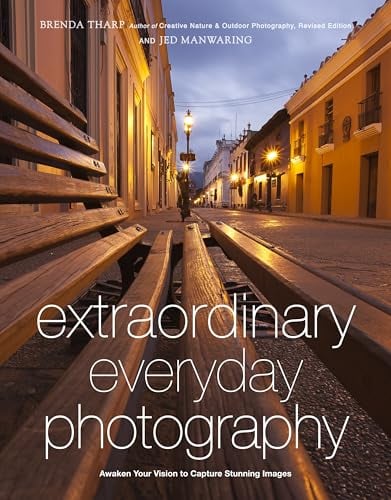
Photography is not just taking pictures of staged portraits and exotic travel destinations. Photography is looking at simple things with a new perspective.
Extraordinary Everyday Photography teaches you to capture the unexpected in the mundane. It can be your local park or the street where you live.
Rather than teach photography techniques, the photo book inspires photographers. It includes examples from DSLRs and smartphone cameras. It shows that good photography doesn’t depend on gear or location. Instead, it depends on the photographer’s eye.
That is also its limit. There are no lighting diagrams and very little about camera settings, so it works as a second book once you can already operate your camera without thinking about it. As a first book it will leave you inspired and stuck.
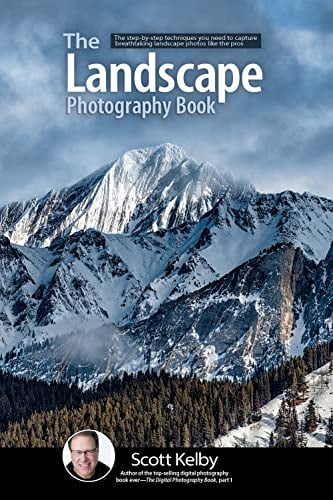
Here’s another book by award-winning photographer and author Scott Kelby. It’s a must-read if you’re interested in landscape photography or plan to start shooting landscapes.
But you don’t have to be a beginner to find new ideas and tips in The Landscape Photography Book. You’ll learn new skills, improve your composition, and sharpen your vision.
Kelby shoots wide American landscapes off a tripod, and the advice assumes you can do the same. If you photograph cities, or you want the optics behind hyperfocal distance rather than “stand here and use this”, it will frustrate you.
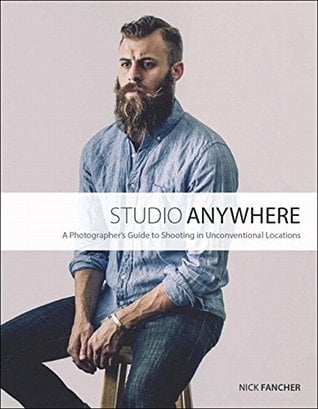
Finding an excellent spot to shoot can often be overwhelming. Studio Anywhere is a must-read for photographers who are unlucky in picking the perfect location. Nick shows us how to use any less-than-ideal location and still get amazing portraits.
He offers practical tips for creating a portfolio without a dedicated studio space. This book is perfect for anyone who needs help conceptualizing shoots with minimal equipment.
Fancher works with speedlights and improvised modifiers because that is what he had. If you already own studio strobes and a room to put them in, most of the ingenuity here solves a problem you have already paid to avoid.
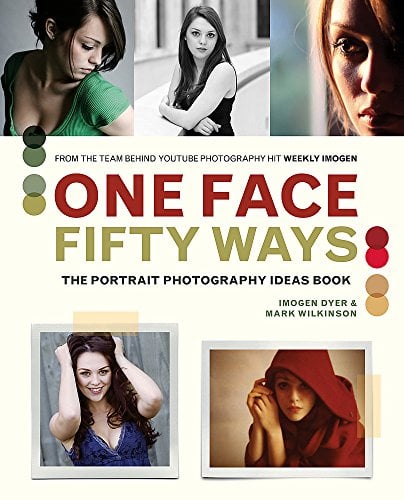
This fabulous photography book explores the art of portraiture. It shows how to take 50 different types of shots of the same model, and it’s a practical guide that uses simple camera techniques.
But do you know what makes One Face Fifty Ways even more valuable? It uses budget-friendly items from your wardrobe to create a wide variety of shots.
Treat it as an idea book, not a teaching one. Each of the 50 setups gets a short note on lighting and settings and no more, so a beginner will need a second source for the how. Buy it when you are running out of ideas, not when you are starting out.
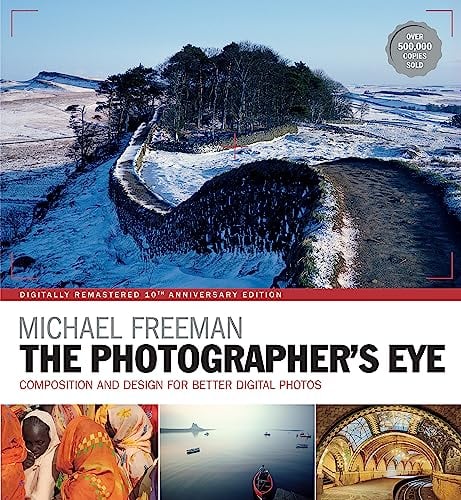
Michael Freeman is on this list twice, and for good reason. I love the way he writes.
Design is the most critical factor in creating a successful photograph. It helps your ability to see the potential for a strong picture. You then organize the graphic elements into a productive and compelling composition.
The Photographer’s Eye Remastered is a must-read photography book for beginners. It trains you to develop your visual style early on, and it’s unique compared to the other publications on this list.
Freeman is analytical to the point of dryness. You get diagrams of frame division and a vocabulary for balance and tension, which is exactly what some readers want and exactly what puts others off. If you came looking for inspiration, skip to the collections section.
The nature of photography includes the demand to intrigue the viewer continually. So this book aims to answer the question, “What makes a photograph great?” It explores how top photographers achieve this goal time and time again.
The Photographer’s Mind Remastered provides invaluable knowledge you can’t learn from practical guides. For instance, it helps you avoid clichés on the cyclical nature of fashion, style, mannerisms, and light. It even shows you how to handle the unexpected. The remastered edition is the one to buy, reset with larger reproductions and refreshed examples.
There is a lot of overlap with Freeman’s Eye here, approached from the other side. Read one of the two cover to cover first. Pick up the other only if you want a second pass at the same argument about why a frame holds together.
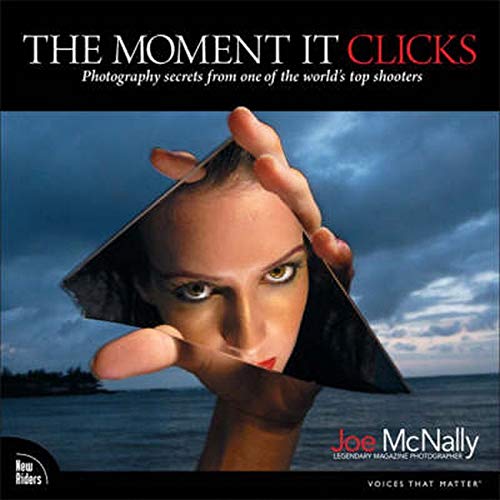
The Moment it Clicks illustrates Joe McNally’s different techniques throughout his career. I’m sure you’ll recognize many of his photos from magazine covers. You gain insight into how each shot was taken, including his equipment.
You also gain useful knowledge about the challenges of each type of project. This photography book is excellent for setting up a similar shot.
The equipment behind those pictures is mid-2000s Nikon, so read the gear lists as history, not a shopping list. What you are paying for is the thinking: the brief, the constraint, and how McNally got around it.
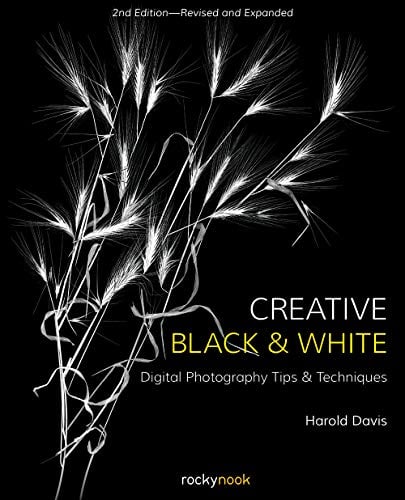
Creative Black and White is one of the best black-and-white photography books ever published. Black-and-white photography poses unique challenges. It makes the point that contrast, lighting, and composition are crucial without color.
Renowned photographer Harold Davis explains these elements in this book. He demonstrates the basic rules of black-and-white photography and shows you when and how to break them.
The processing chapters are built on Photoshop and Lightroom. If you edit in Capture One, in DxO, or on a phone, you will be translating every walkthrough as you go, and the conversion recipes are the half of the book that makes it worth owning.
Best Books on Photography Lighting
Lighting is an intrinsic component of photography. Mastering it can take years, and it’s more complex than understanding other aspects, like exposure settings. But you can always speed up this process by learning from the pros.
Amateurs rarely achieve great lighting. But learning techniques from these great photography books is the best way to improve. You’ll have professional illumination in no time!
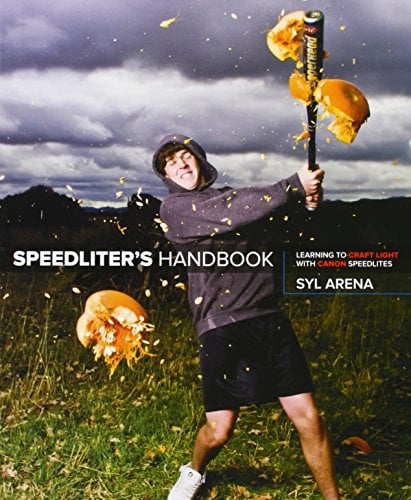
Speedliter’s Handbook is mainly for Canon camera users, but it is still useful for people who use other cameras. Most of the information can be used with other camera brands.
This is an excellent book for those new to flash photography. Using clear language, this book is also ideal for anyone who has given up learning out of frustration.
Arena teaches you everything from creating a classical portrait to shooting an event. Whatever it is, this photography book will show you how.
Arena built it around Canon’s Speedlite range as it stood in 2011, when the second edition came out, so the model names and menu paths are long out of date. The chapters on what light actually does are not. Nikon and Sony shooters will get the physics and none of the button-pressing.
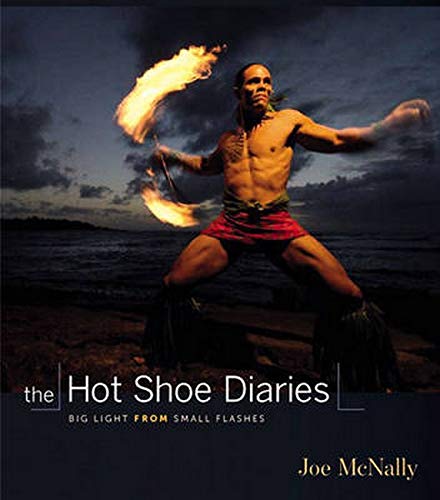
Joe shares his lighting solutions for many beautiful images in Hot Shoe Diaries. Joe’s photographs are quite inspirational. He uses a flash every time he shoots his subjects.
Using Nikon speedlights, Joe lets you in on his uncensored thought process. He demonstrates how he makes his pictures with these small flashes.
Everything in it is Nikon and from 2009: the flashes, the commander mode, the menu names. It also isn’t a course. You get one setup after another, so you come away with ideas and no syllabus.
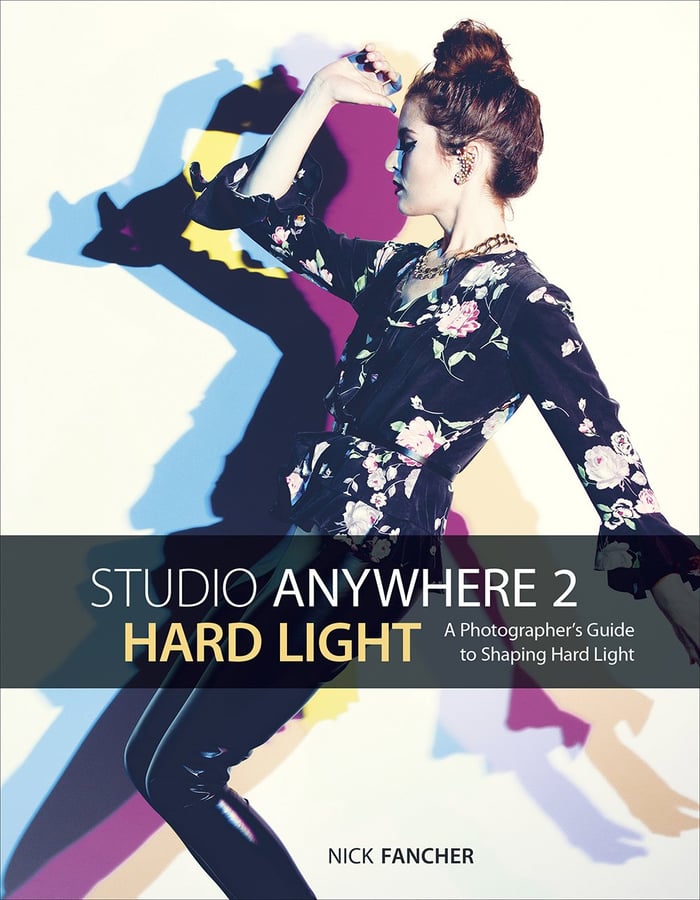
Nick Fancher’s second entry on our list, Studio Anywhere 2: Hard Light, teaches you how to master light. He gives tips and techniques on maximizing and controlling natural light. And he goes deep into using artificial light, like flashes.
He provides experienced information about lighting equipment and some handy DIY tips for getting the most out of what you have. He shows you how to shape, bounce, and manipulate light in any location.
Hard light is a look, and it is not the one most people want. If you are after soft, forgiving portrait light, the first Studio Anywhere is the broader book and this one will feel like a detour.
Best Niche Photography Books
Lots of publications focus too much on the most popular genres in photography. But what if you’re into a specific style, such as food or still-life photography? Are there any options for you out there? The answer is yes, and there are a lot of them!
For this section, we are only covering four. But even if you don’t practice the niche topics on this list, you should still consider reading them. Who knows? You might end up liking them! Or, if anything, you might learn a thing or two that you can apply to your work.
The Enthusiast’s Guide to Travel Photography is the best book to pick up before your next backpacking trip. Travel photography is perhaps one of the most challenging genres in photography.
A travel photographer must know how to photograph several niches, such as food and wildlife. This book provides all the photo knowledge you need to travel the globe.
Of course, it includes the usual lessons on architecture and urban photography. But it also includes tips on taking portraits of strangers and nighttime landscapes.
The 55-principle format keeps every topic to a couple of pages, which is what makes it good on a plane and thin on any one subject. If you mainly shoot wildlife, or mainly shoot architecture, a dedicated book will take you much further.
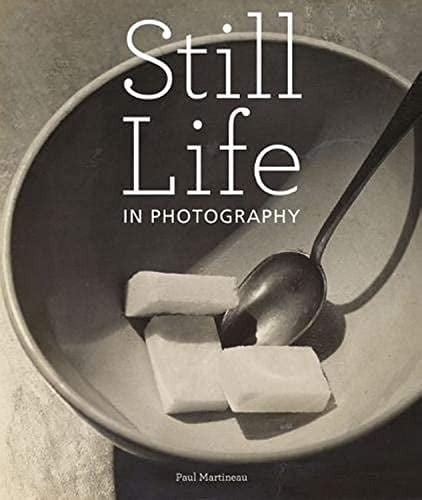
Still Life in Photography isn’t necessarily a collection of tutorials. Instead, it’s a compendium of the works of some of the best still-life photographers.
The photos come from the J Paul Getty Museum, so the collection feels limited. But regardless, the samples you see are enough to inspire you to create your own masterpieces.
Photographers in this book include Edward Weston, Irving Penn, and Roger Fenton. They’re big names with incredible work that will get your attention!
There is no technique in it at all. At 112 pages it is a book to look at, so if you came here wanting to be taught how to light a still life, buy Studio Anywhere instead and keep this one for the ideas.
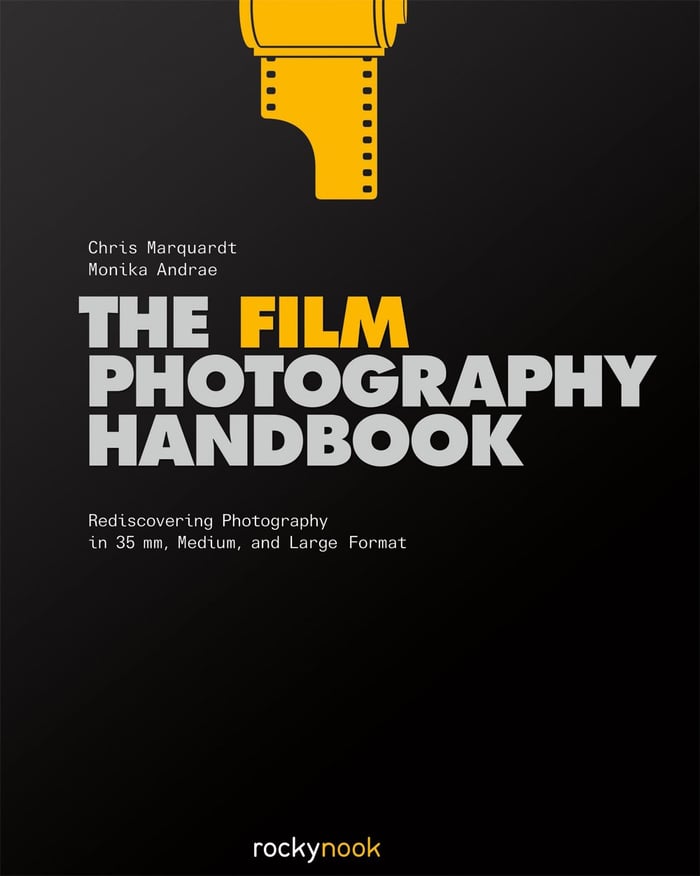
Film photography is back in fashion. Whether you’re a film photography veteran or a beginner, you need The Film Photography Handbook. This is the ultimate handbook for film photography. It has all the necessary information, from loading film to printing photos.
What makes this invaluable is that it includes digital technology in the mix. Where else can you find a book that shows you how to digitize your film? It even shows you how to use your smartphone as a light meter!
It assumes you genuinely want to shoot film, developing and all. There is nothing here for a digital photographer chasing the look as a shortcut. The reproductions are there to explain a process, not to be admired, so don’t buy it expecting a picture book.
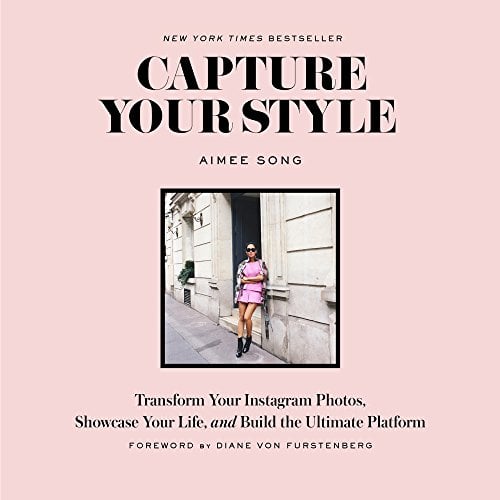
Social media star Aimee Song published Capture Your Style in 2016, and it’s aged the way you’d expect a book about a specific app to age: skip it if you want current advice on growing a following, because Instagram’s algorithm and features have changed completely since then.
What still holds up is the photography itself: how Song composes a shot around a color palette, uses natural light in cramped apartments and city streets, and builds a consistent visual identity across a feed. That’s a genuinely useful skill for anyone shooting social media photography, whatever platform you’re actually posting to.
Best Collection and Compilation Books
You can learn a lot by looking at other people’s photos. It’s what makes these books on photography as crucial as regular textbooks.
But it was hard to choose one photographer over another for this list. I felt I had to disregard 100 photographers for each one I included.
The photographers below are perhaps some of my ultimate idols in photography. But they are by no means the only ones I look up to.
Decade was a birthday present from a past birthday, and I’ve picked it up daily since then. It’s easy to understand why this is one of the best photo books.
It’s a collection of famous photos of memorable events between 2000 and 2010. Each image has a brief description that serves as a history lesson.
It jogs your memory and reminds you what a momentous decade it was. It’s a good source of inspiration. But it’s also a great coffee table book or conversation piece.
Decade is a news book as much as a photography one. Nothing in it explains how a picture was made, and there are no settings under the images, so it earns its place as something to look at. You will not study from it.
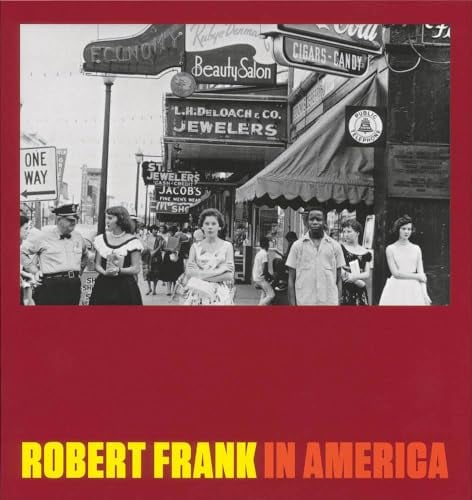
Robert Frank is a fantastic collection of photos from the seminal photographer. He was a central figure who documented the United States in the 1950s.
He also created some of the most iconic images from that era. Frank’s cultural documentation is invaluable for anyone interested in that period.
It is hard to believe his photos came from one photographer’s viewfinder. It covers racial tension, glamor, and Americans’ love for cars. The latter might be because Frank himself had a fondness for the road.
He shows a cultural history with a human touch. This book is a great reminder of America’s past through fantastic images. This famous photographer’s inspirational work deserves to be on your bookshelf.
Be clear about what you are buying. This is a survey of the American work, not The Americans itself. If what you want is that 83-picture sequence in Frank’s own order, buy that book instead, because the sequence is half of what makes it famous.
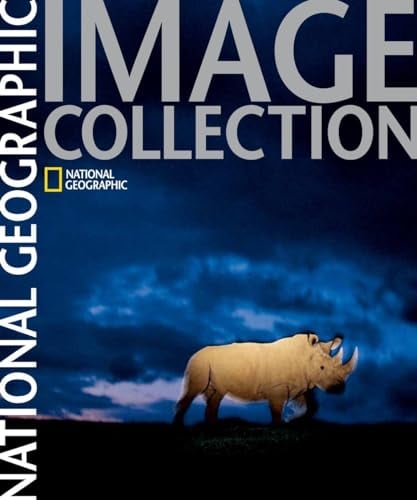
Behind this title lies one of the most compelling graphic resources on Earth. I present The National Geographic Image Collection.
It’s an archive that includes a wide range of images from the earliest photos from the late 19th century to modern ones taken today. It includes iconic and never-before-seen images from around the world.
Of course, we already know that this book represents thousands of species. But it also showcases terrific human achievements in exploration, adventure, and science. They are placed in a historical, artistic, technical, and journalistic context.
Its range is also its weakness. Across 512 pages nothing gets covered in depth, there is no technical information, and the book is heavy enough that it lives on a table, not in a bag. Buy it to browse, not to work from.
If you’re into portraits, look at National Geographic’s book of portraits.
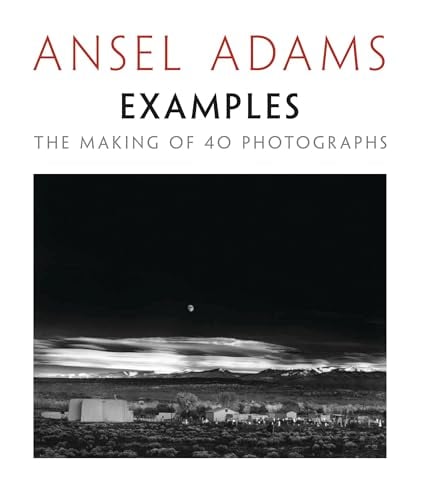
Examples has some of the best black-and-white photography I’ve ever seen. Each of Adams’ 40 photographs presented here accompanies an engaging narrative. The text explores the technical and aesthetic problems of each scene he photographed.
For famous photographers, Ansel Adams is at the top of the list. So grab a copy to understand what makes this one of the best photography books.
Adams is writing about large-format film, burning and dodging under an enlarger, and the Zone System. Nothing in it transfers to a digital camera without translation, Read it to watch him think a picture through, and expect no technique you can use tomorrow.
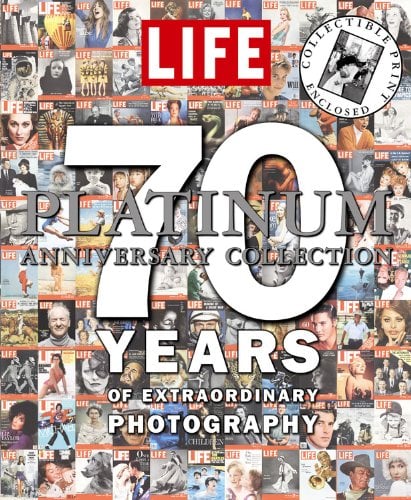
LIFE 70 Years of Extraordinary Photography is one of the best photography books, with over 70 years of great images. And they all come from one of the most influential magazines of the 20th century: LIFE.
This book is like Decade and National Geographic Image Collection. LIFE 70 Years of Extraordinary Photography presents history in photos. It highlights the most famous and beautiful pictures from the magazine’s history. It has some of the best photography you will ever see.
That similarity is the catch: the three overlap enough that you want one, not all three. Pick this one if what you are after is twentieth-century American photojournalism in particular.
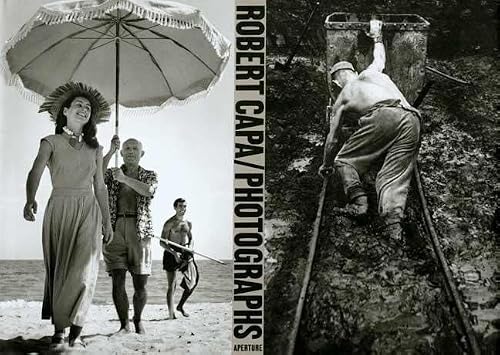
Robert Capa is the father of modern photojournalism. He was fearless, brave, and had a fantastic eye for a photo. He is most well-known for his war reportage, snapping violence in the Spanish Civil War and World War II.
His shots remain some of the most famous examples of wartime. But he was more than just a war photographer. This collection shows the true breadth of his photography work.
His documentary work is powerful and poignant. You also find intimate and engaging portraits.
Capa was a true photography talent. And his photographs are still as striking as ever.
Most of the book is war reportage and none of it is softened, which is worth knowing before it arrives on your coffee table. It is a monograph too, so there is no commentary on how any of the pictures were made.
Best Post-Processing Photography Books
When you’ve been out taking photos all day, there are always going to be a few that need extra work. If you’re shooting in RAW, there will be a lot. So below are the best books on the three most popular post-processing software.


As mentioned, Scott Kelby is an American photographer and the author of many books. He is an avid user and educator of Adobe Photoshop Lightroom.
The Adobe Photoshop Lightroom Classic Book is his current edition, rewritten at the end of 2025, so the masking tools and AI denoise that Adobe added over the last few years are all in it. A secondhand copy is a gamble. Lightroom’s interface has moved far enough that an older printing walks you through a program you don’t have, so check the cover date.
His award-winning, step-by-step, plain English style makes learning Lightroom easy and fun. He shares his settings and time-tested techniques. This book consists of proven methods for learning Lightroom. You can begin using it like a pro from the start.
Two things to check before you buy. It covers Lightroom Classic, not the cloud-based Lightroom app, and the two differ enough that the book won’t map onto the app. And it teaches one program, so it is only worth owning if you are paying for the Adobe subscription anyway.
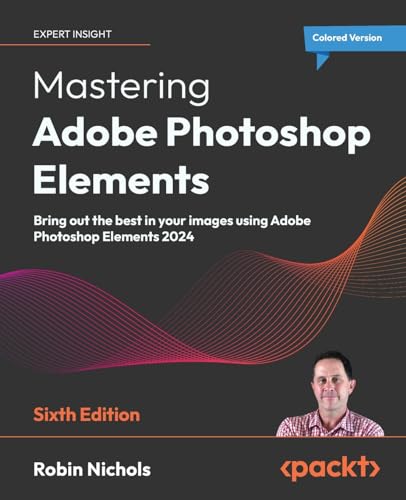
Mastering Adobe Photoshop Elements is the book for using Adobe Photoshop Elements for photo editing. It’s thorough, detailed, and extremely well-written.
Any photographer can breeze through the pages and learn as they go. It’s a great way for beginners to get a head start on photo editing with Photoshop Elements. Robin Nichols’ sixth edition runs to 544 pages on Elements 2024, including the AI selection and object-removal tools Adobe brought down from Photoshop.
Nichols provides useful tips and techniques for managing your setup and organizing your library. But he doesn’t only focus on editing. He also helps you develop your visual style.
Adobe software can seem daunting for photographers new to photo editing. But this book is understandable and practical.
The book is tied to one program, and to one version of that. Elements is a single purchase rather than a subscription, which is the reason most people choose it, but if you already pay for full Photoshop there is no sense in a 544-page guide to the cut-down version.
For beginners, Adobe Photoshop can be stressful and challenging to learn. Post-production software has a very steep learning curve. Thankfully, Conrad Chavez writes Adobe Photoshop Classroom in a Book, which Adobe Press revises with each yearly release. The 2026 release runs to 15 lessons across 448 pages and covers the Firefly generative tools alongside the usual selections, layers, and camera raw work.
Don’t worry if the title gives you flashbacks from your school days. It’s well-written and easy to understand. It takes you through the basics. And you never feel like you’re being talked down to.
Plus, all the text is accompanied by helpful illustrations. It helps you click in all the right places!
This is a course, and it expects you to work through downloaded lesson files, not your own pictures. If you learn by fixing photos you actually took, or you want retouching theory instead of a guided tour of the toolbar, you will find it slow going.
Bonus Book: Your Camera Manual!
Your camera manual contains so much information, not just irrelevant facts specific to your camera. The day I got my first DSLR, I took out the manual and began reading. I must have read it while playing with my camera for two weeks.
It always frustrates me when friends don’t know how to do something on their cameras. That’s the one thing holding them back. They’d be much better photographers if they knew how to work their cameras. So I encourage you to read it.
Frequently Asked Questions
What is the best photography book for a complete beginner?
Read This If You Want to Take Great Photographs. It is short, cheap, and about seeing instead of settings, which is what stops most beginners’ photos from working. If you haven’t bought a camera yet, start with National Geographic Photo Basics instead, because its early chapters help you choose one.
Are older photography books still worth buying?
Some are, and it splits cleanly by subject. Composition, lighting theory, and the collections in this list do not go out of date, and some of the best of them are decades old. Books about software and gear do. The Adobe titles in the editing section are revised every year for a reason, and a camera guide from 2010 describes bodies you cannot buy.
How many photography books should I buy at once?
Two or three, from the sections that match where you are stuck. Finishing one book and using it beats owning six. Most of the titles here overlap deliberately, and the collections in particular cover much of the same ground as each other.
Do I need a photography book when there are free tutorials online?
A book gets 200-plus pages from one photographer to lay out how they think, in an order they chose. A tutorial answers one question and is written to be found in a search. Use tutorials when you have a specific problem, and a book when the problem is that you don’t know what to work on next.
Conclusion: The Best Photography Books
You don’t need to read all 35 of these to get better at photography. Pick two or three from the sections that match where you’re stuck right now and actually finish them. New to a camera? Start with the basics section. Confident with your gear but your photos still feel flat? Move on to composition and technique, then lighting. Already technical and looking for a creative push? The collection and compilation books will do more for you than another how-to guide.
If you want one answer and not a rule of thumb, it is the same book we opened with: Read This If You Want to Take Great Photographs. It is the cheapest and the shortest book here, and it is the one that changes how the next thousand frames look.
Whichever you land on, keep the book next to your camera and use it. The techniques above only work once you’ve tried them with your own hands.
Our Top 3 Choices for The Best Photography Books