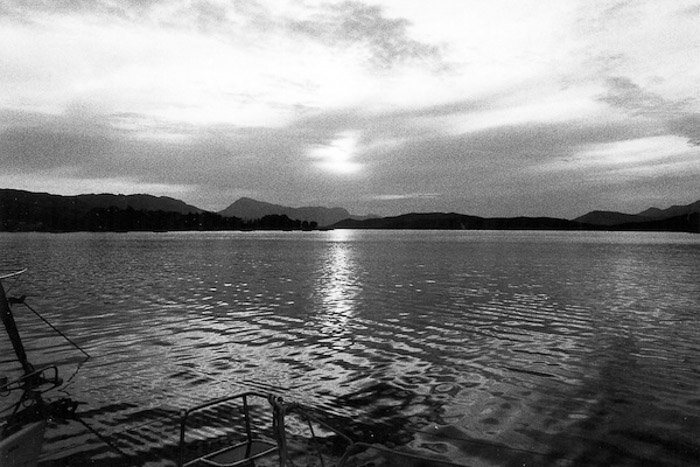
I’ve written about film photography and I’ve written about black and white photography. You’re probably wondering why I’m writing about black and white film photography.
The answer is simple – there’s a lot more to it than meets the eye.
The effects produced and the parameters you have to work within are very different from any other type of photography. This can produce some very interesting results – results that you may associate with a much older style of photography.



Black And White Film Photography: How to Shoot Differently
In my post on film photography, I talk in detail about how shooting on film helps to hone your skill. You think a lot more about what you’re doing before taking each photo, rather than wasting a piece of 35mm film.
This added pressure of wasting money on the film and development means that you become a much more careful photographer. You consider how else each photo could be taken before actually taking it.
Think twice, shoot once.
Mistakes can get pretty expensive if you’re not sure what you’re doing with your film camera. This forces you to quickly learn what you’re doing wrong.
Black and white film photography is all of this and more. Normally, when I take black and white photos, I shoot in color first and convert it afterwards. This gives me more options in post production.
You don’t have this option when shooting on film. So you really have to pay attention to what it is that you want to capture and how it’s going to look in black and white.
You rely much more on composition, texture, shape and form to create a good photo, so you have to look for this before you shoot, not after.
That is my favourite reason for shooting on black and white film. You’re forced to hone your skills much faster.
The Dynamic Range
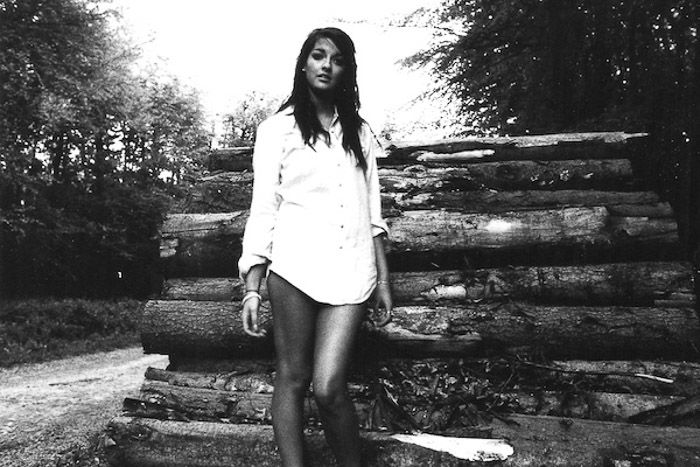
The first thing you’ll notice when you get a roll of black and white film developed (particularly with the brand of film that I use: Ilford HP5 Plus) is that the dynamic range is a lot worse than what you’re used to with digital and color film.
You need to be really careful about this. You’ll find that even landscape shots don’t come out properly, let alone photos of people indoors.
This really bothered me the first time I got my film back because I didn’t know about it before I shot. I hadn’t adjusted my shooting style to match it.
Now that I know better, I can use this to my advantage.
Advantages of the Dynamic Range
Once you understand how the film reacts to the light, you can use it as a creative tool in your photography.
The light is harder to control but, when you expose a photo correctly with the light in the right places, the results can be much more dramatic.
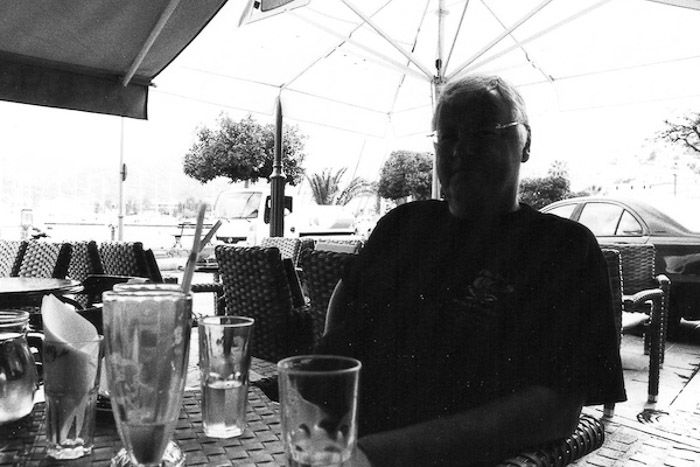
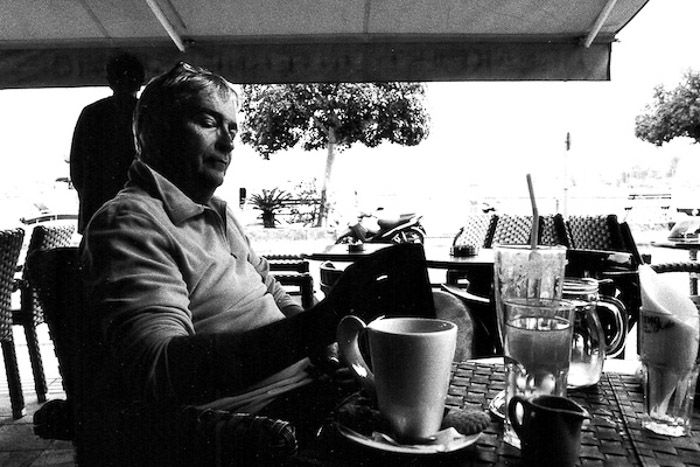
Had I shot the photo above on color film, you’d be able to see the subject with no problem. When shooting on black and white film, it’s important to determine where the light illuminates the subject and work around that.
Take the photo below for example. I knew when I shot it that the left-hand side of the photo was going to be underexposed and that the right would be overexposed. This actually worked out really well.
I particularly like how the light shining on the back of the subject’s head is emphasised by the dark figure behind him.
Skin Tone
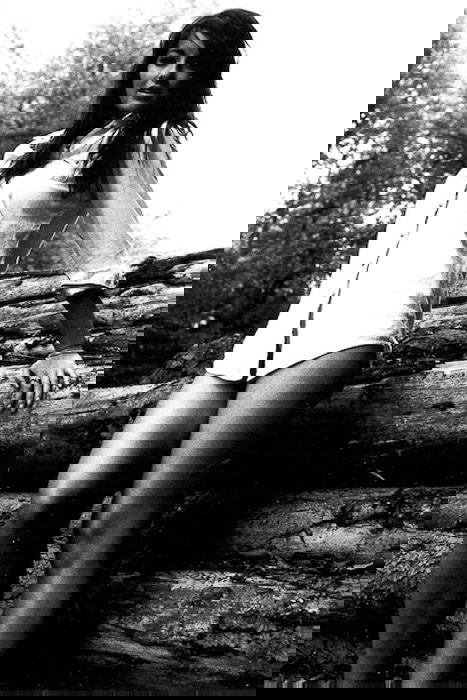
One of my favourite things about shooting on film is how good skin looks.
Black and white film in particular makes the skin look great. The natural grain adds texture and detail, while the lack of color emphasises the tone of the skin.
That’s also one of the advantages of the poor dynamic range. The contrast on neutral colors is boosted.
Development
35mm film and development is becoming increasingly scarce. This is because some of the major developers are getting rid of their wet labs, only doing digital printing.
That being said, there are still places around that do it at a reasonable price to a good standard. But black and white is a lot harder to get done.
My nearest lab that will actually develop it in-house is about 25 miles away. This isn’t really a lot of use as the development process itself takes a while. Instead, I take mine to my nearest major lab, who send off for it.
This still takes about 2 weeks or longer. I’m there regularly for printing anyway so it’s not too much of a problem.
I have noticed over the past 2 years that development is getting more expensive. It’s also taking longer to do and film is becoming harder to find. If we take that as a sign of things to come, it doesn’t look too good.
I urge everyone to start shooting on film as soon as possible. There’s a good chance you won’t be able to experience it in the future.
We have a great post on how to digitize film photos you should check out. Or how about trying our black and photography challenge to keep improving your work!