Composition is key in eyeline photography and is one of the most powerful compositional techniques. This simple principle allows you to influence your viewers and create more powerful images.
But what is eyeline photography, and how can you best use it? Read on to find out.
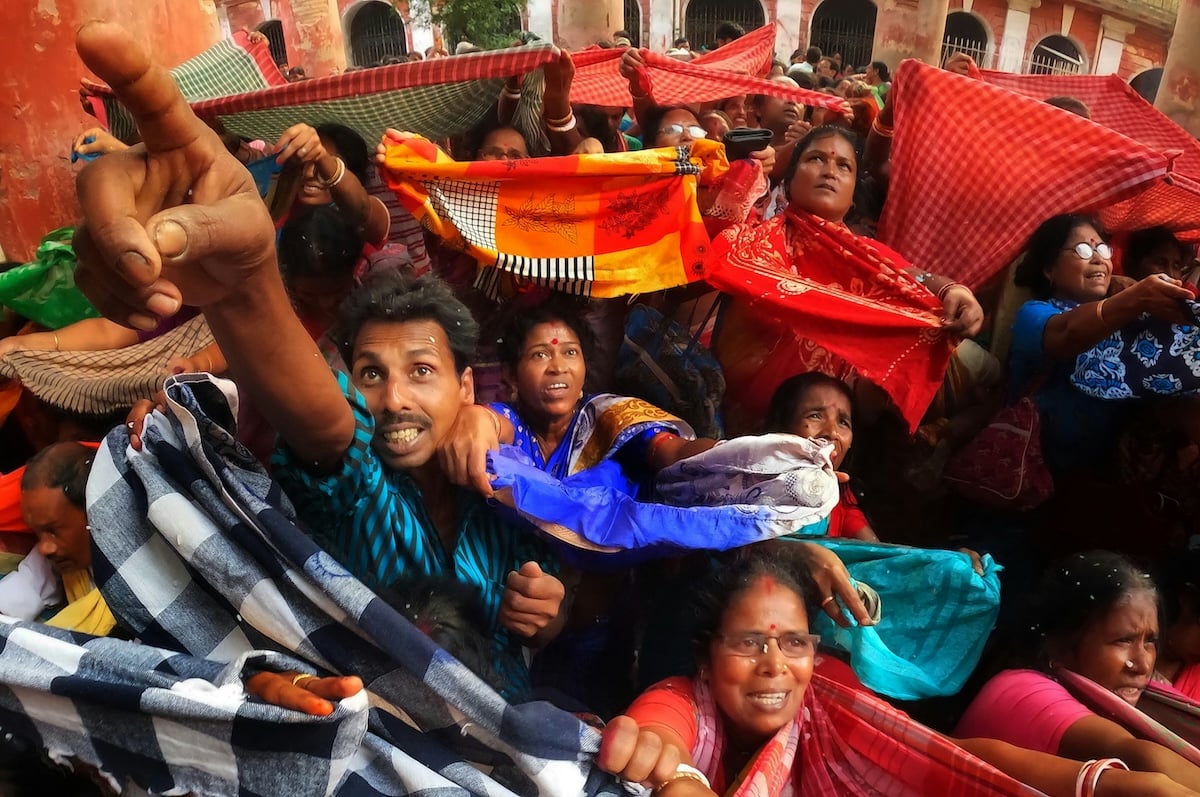
Shot with a GoPro Hero10 Black. 2.7mm, f/2.5, 1/120 s, ISO 1,796. Dibakar Roy (Unsplash)
What Is Eyeline Photography?
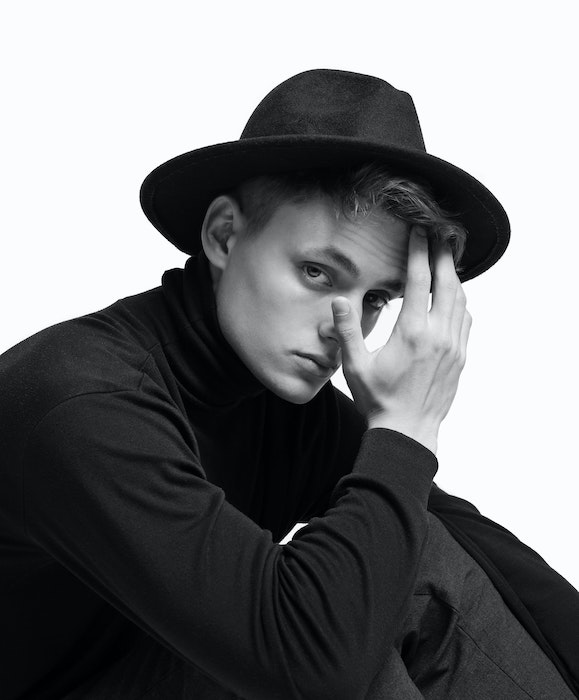
When we say “eyeline photography,” we’re talking about the implied line when we follow a person’s sightline. These are similar to horizontal, vertical, and diagonal compositional lines. You can use them to create dynamic tension or triangles of interest.
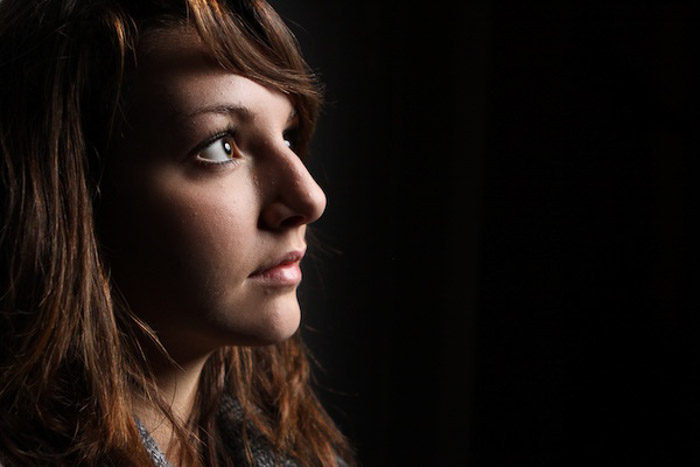
Our eyes are naturally drawn to the face—the eyes in particular. This is because that’s what we do when we interact with people.
A face is the strongest visual element you can include in a photo. Our eyes are naturally drawn there first, and then their eyeline directs our attention.
It’s a natural curiosity to want to follow the eyes. As viewers, we want to know if we share the same interest in whatever has taken their attention. We also want to relate to the subject to better understand the photo or piece of art.
This makes their eyeline an important part of the image’s structure. A subject’s eyeline can be used to excellent effect. But it can also detract from the photo if used poorly or not at all.
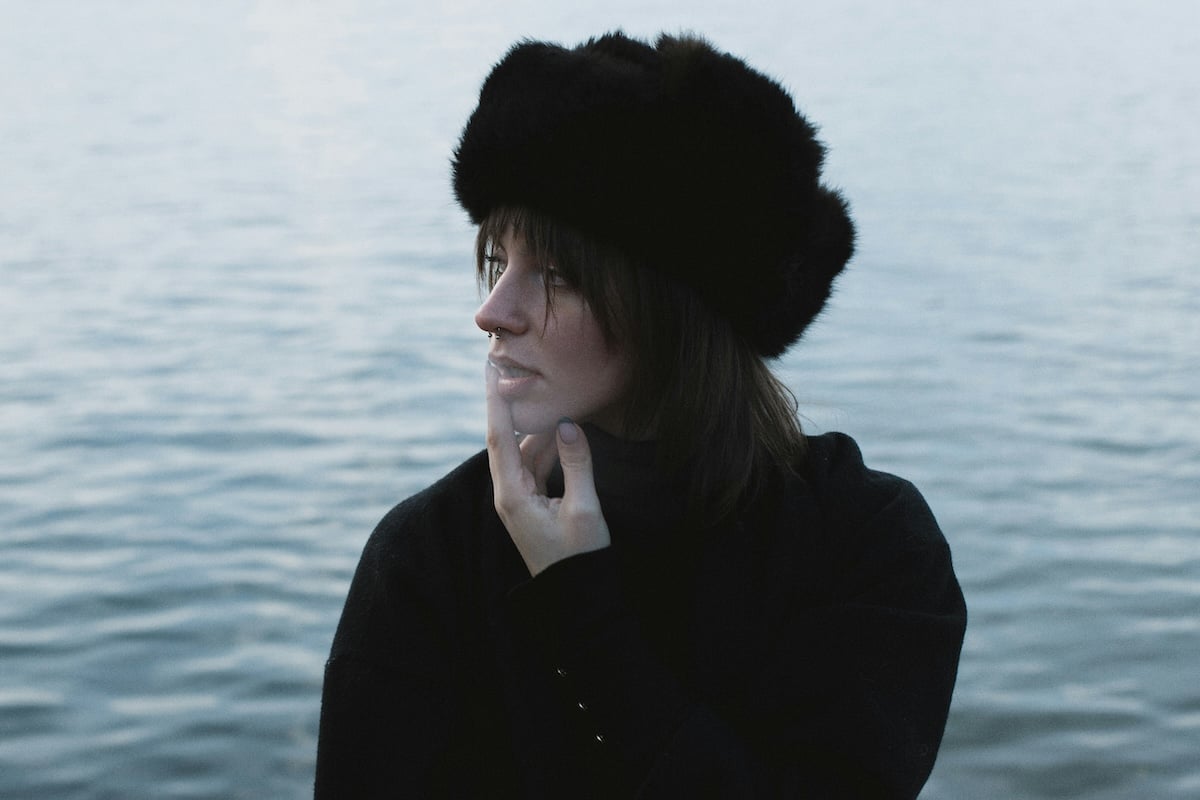
Shot with a Canon EOS 6D Mark II. 50mm, f/5, 1/125, ISO 100. Virginia Berbece (Unsplash)
How to Use Eyeline Photography to Influence Views
Here are seven excellent ways to incorporate eyelines into your photography. They will help keep your viewer’s attention where you want it to be and have them lingering over your photos.
1. Have Your Subject Look Into the Lens
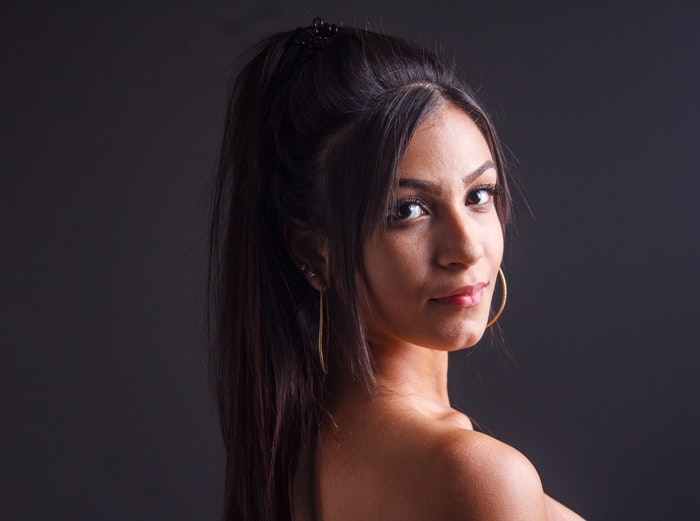
Effects vary depending on where your subject’s eyes are looking. One of the strongest eyeline techniques is when the subject’s eyes look directly into the camera.
When we see an image like the one below, we focus on the eyes and don’t explore the rest of the photo as much. The model is looking straight into the camera’s lens. Her dramatic eyes look very bright.
Faces are very expressive. And the eyes are one of the strongest ways to show emotion. This is one of the reasons they attract our attention.

Shot with a Canon EOS R6. 105mm, f/9, 1/250 s , ISO 400. Shahin Khalaji (Unsplash)
2. Have Your Subject Look Somewhere Inside the Frame
When the subject looks elsewhere inside the frame, the viewer looks less at the subject’s eyes. This is because you learn less about the subject than you can from where they’re looking.
What’s more important here is where exactly the subject is looking. We may want to explore that area, too.
You decide whether you want the viewer to focus on the model or where they’re looking. The photo below uses the eyeline to make us focus on the person’s camera.
You could also direct your subject’s gaze towards nothing particularly interesting. This results in a feeling of unresolved tension and ambiguity. This is another great technique for directing your model where to look.
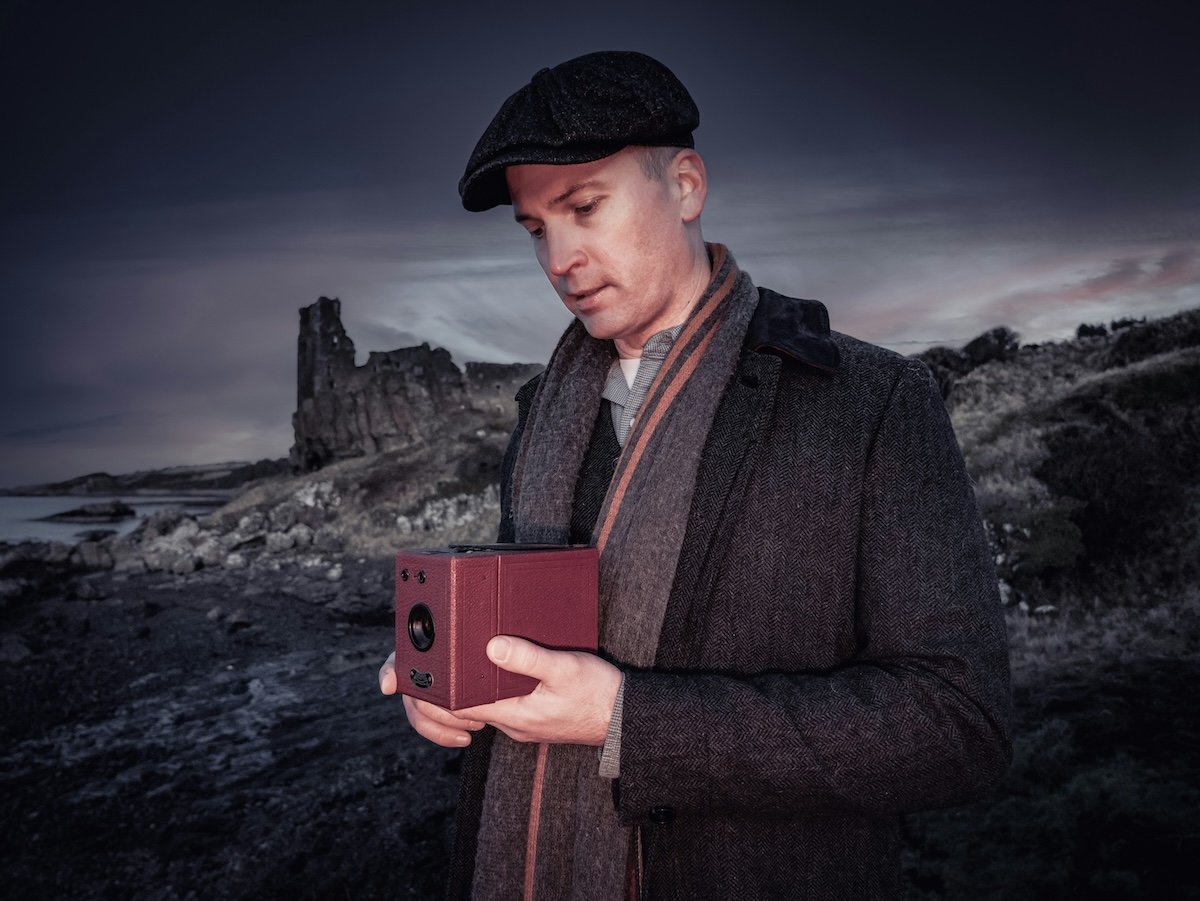
Shot with a Panasonic Lumix DC-GH6. 12mm, f/3.5, 1/25 s, ISO 3200. Johnny Briggs (Unsplash)
3. Use Eyelines as Part of Your Composition
Here’s how to use the eyeline as a photographic element. In the photo below, the photographer used the model’s eyeline to follow the harbor line in the background.
From that point, you’re led up to the buildings and back to her face. This creates a triangle that focuses your direction back onto the model’s central figure.
There’s a distinct advantage to using an eyeline as one of the lines in your composition. You can choose where you want the triangle to start and where you want it to end.
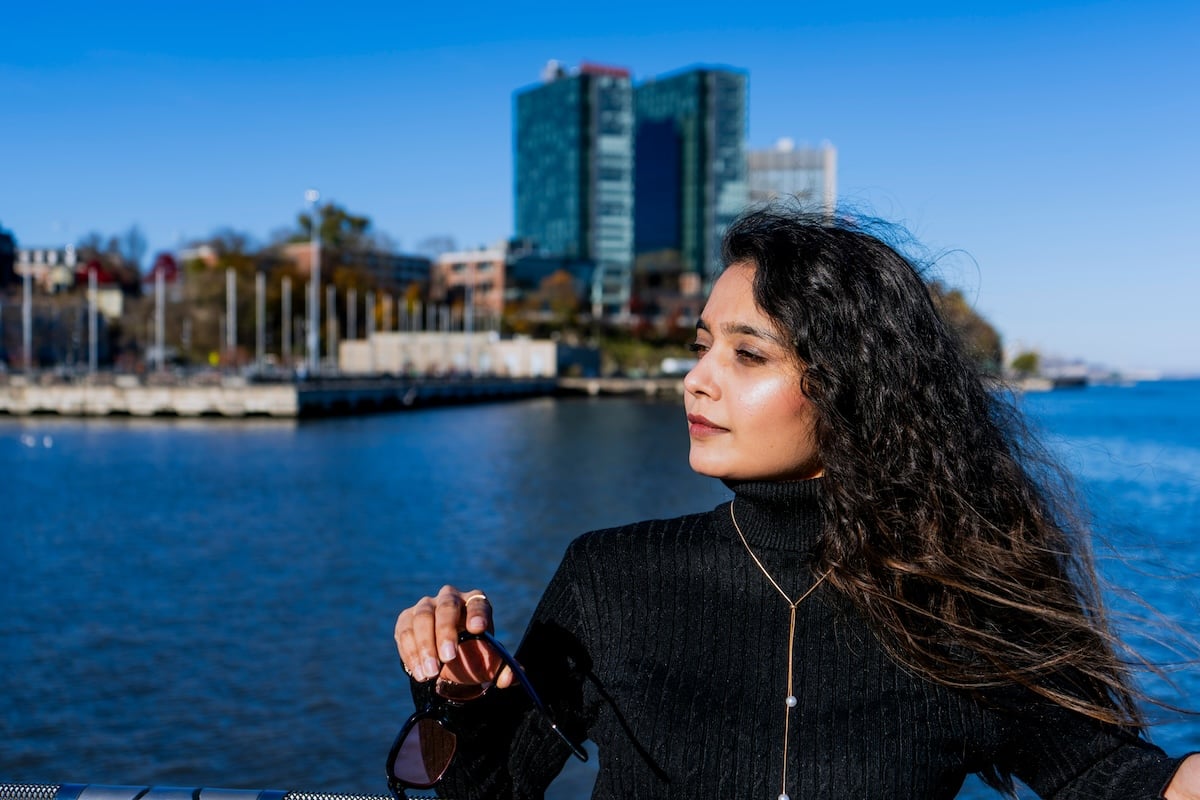
Shot with a Sony a7CR. 38mm, f/4, 1/540 s, ISO 125. Viraj Upadhyay (Unsplash)
When there are conflicting eyelines in a photo, you can use selective focus to choose the true subject.
Using selective focus works in two ways. You’re making it clear who you want the attention to be on. And you’re encouraging the viewer to explore areas they think are less important.
The wedding photographer made the bride the focus of the image below. They also used the bridesmaid’s eyelines to help focus the viewer’s attention on the bride.
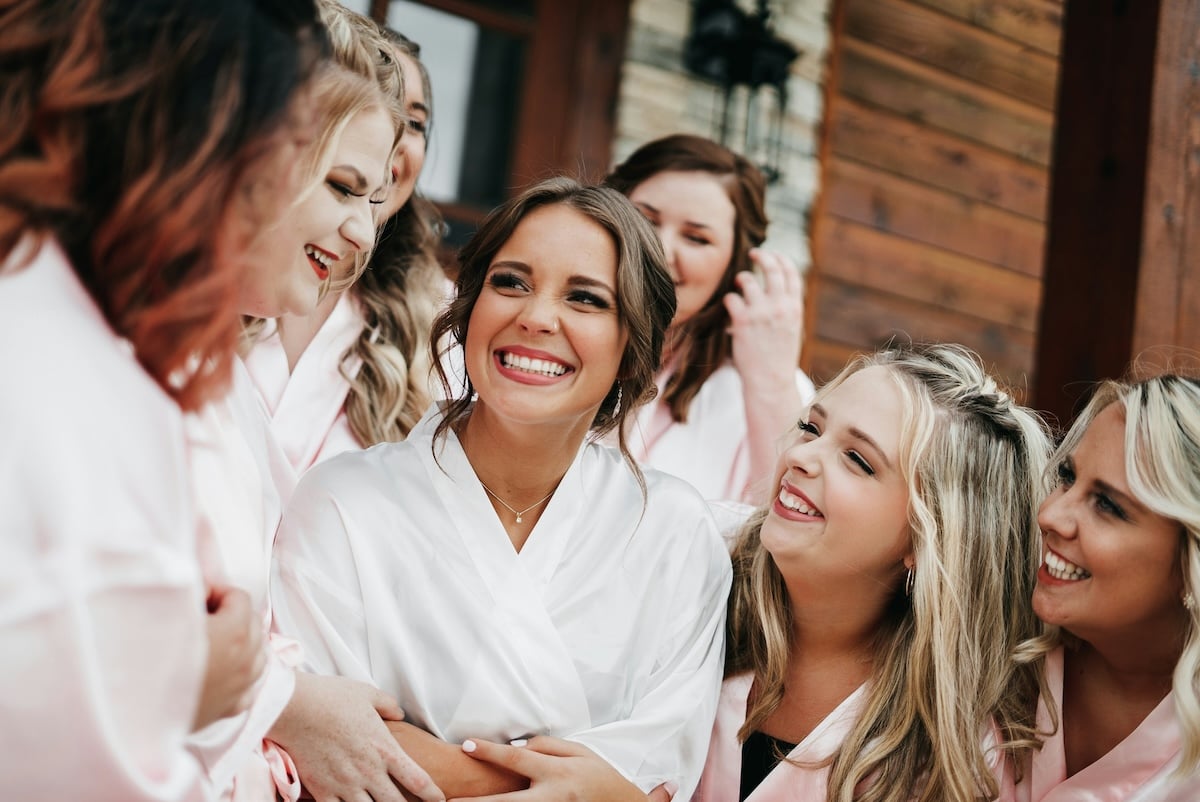
Shot with a Sony a7S II. 50mm, f/2, 1/3,200 s, ISO 160. Chris (Unsplash)
4. Create a Back-and-Forth Between Subjects
When more than one set of eyes looks at each other, a linear back-and-forth motion is created between the subjects.
The more interesting each subject’s facial expression is, the better this works. This creates an equal balance of importance between the two subjects.
You can then use other elements to focus the viewer’s attention. The central focus on the boy’s facial expression makes us want to spend more time looking at him. But his eyeline also draws our attention to his mother.
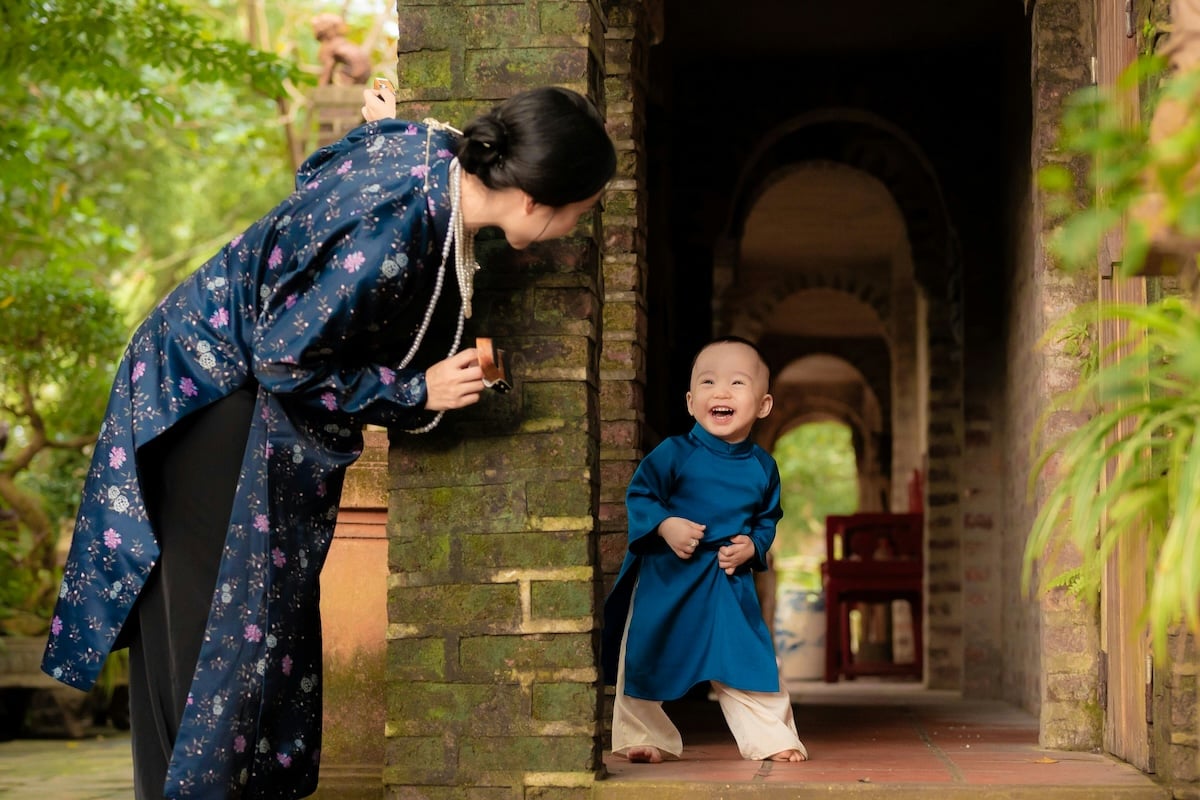
Shot with a Nikon Z5. 50mm, f/2.5, 1/250 s, ISO 1,000. Nam Đặng (Unsplash)
5. Cover the Eyes to Create Some Mystery
When a subject’s eyes are covered in a photo, it’s up to the viewer to decide where they think the subject is looking. This can be done with sunglasses.
The effect of the eyeline is lessened, but it’s still present. The subject’s body language can reveal a lot of information.
In the photo below, you can still tell which direction the subject is looking in. But this feature becomes less important because the glasses cover the gaze, and the subject’s interest is out of frame.

Shot with a Canon EOS R. 85mm, f/2.8, 1/1,000 s, ISO 125. Ben Iwara (Unsplash)
6. Use Multiple Eyelines to Hold Your Viewer’s Interest
When multiple eyelines are present in a photo and look all over the frame, we tend to observe the image for longer. We try to decide what everyone finds so important.
Everyone in the photo below is looking in different directions, which is not unusual for a group of kids who aren’t moving. As your eyes move around the frame, you start with the eyes that you can see best—the girl in the bottom center.
Their eyelines each have a different focus, introducing an element of dynamic tension. The more you look, the more it starts to appear unresolved. But this creates a lot of interest for the viewer to pour over the image.
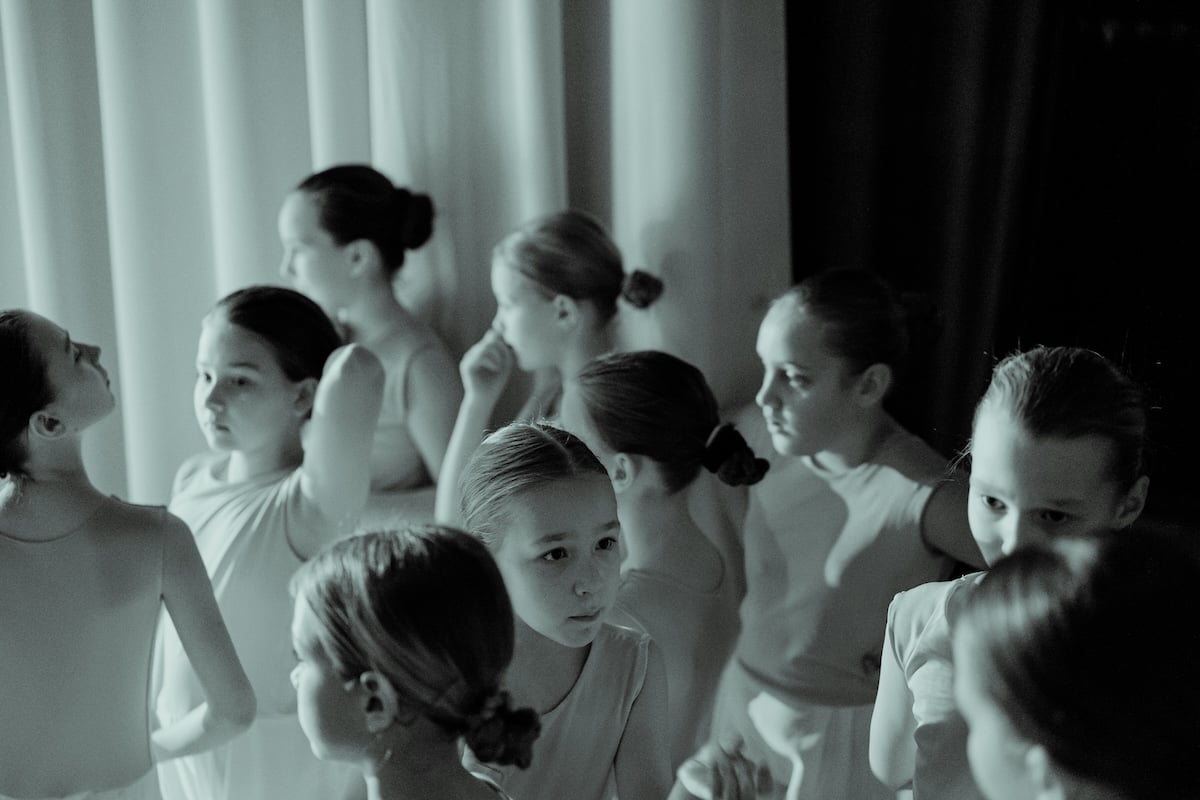
Shot with a Sony a7 III. 55mm, f/2, 1/160 s, ISO 8,000. Andrey K (Unsplash)
7. Anticipate Your Subject’s Eyelines
When taking good photos of people, a lot depends on anticipation and knowing how you want the photo to turn out.
When the photographer took the photo below, they wanted the subject to be the main focus. They used a wide aperture, which they knew would blur the background.
They didn’t pose the subject. The style is more candid. They captured the moment the person on the left made a face. They also got the main subject on the right, looking at the person intently, creating a great dynamic.
The result is a natural-looking photo with the visual weight in all the right places. It’s just a case of being prepared and having a rough idea of the result you’re looking for in your head.

Shot with a Fujifilm X-T2. 85mm, f/3.6, 1/250 s, ISO 250. Thi Nguyen Duc (Unsplash)
Conclusion: Eyeline Photography
Your subject’s eyes carry a lot of visual weight. And you can use them to your advantage when they’re looking at something in or out of the frame!
Eyes are so expressive of emotions. Learning about all the compositional techniques you can use with them is worth it. Using eyeline photography is one of the best ways to do so!
Try our Intuitive Composition eBook for more tips to capture stunning images!